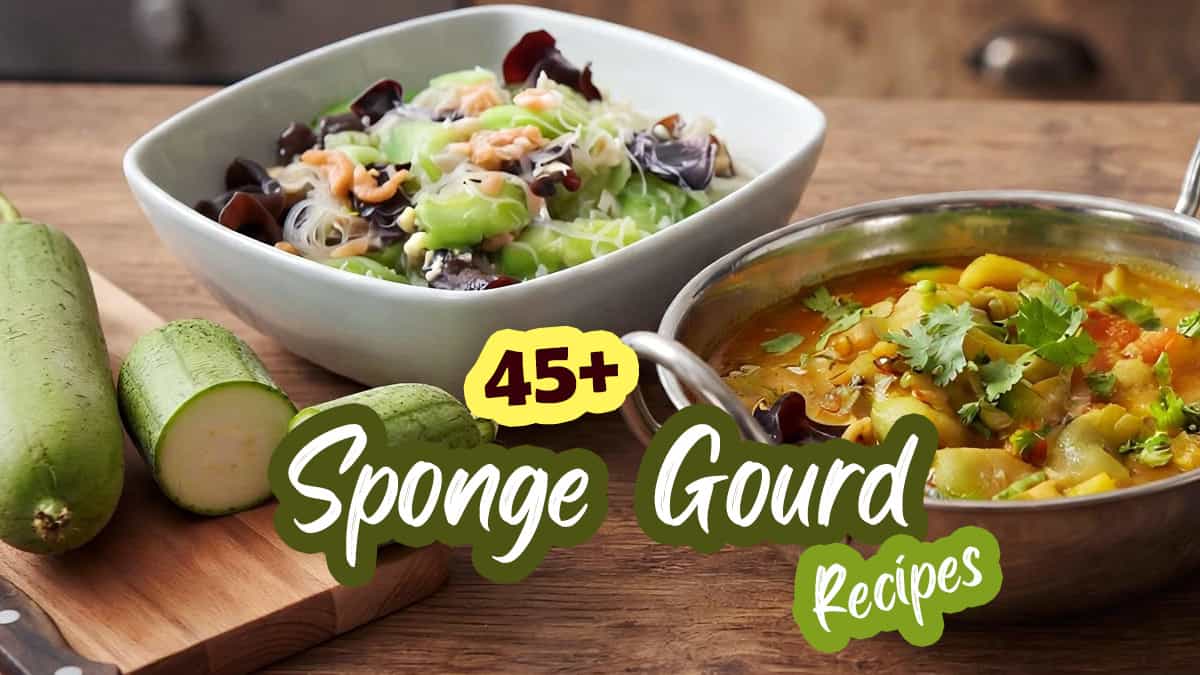
Sponge gourd (Slender Luffa) is a mild, tender vegetable that works beautifully in simple everyday cooking. Also known as luffa or loofah, it has a soft texture when cooked and easily takes on the flavors of spices, herbs, and other ingredients. It can be used in everything from stir-fries and curries to soups, side dishes, mixed vegetable dishes, fritters, and complete meals.
🥒 Did you know? Sponge gourd is also called luffa or loofah, although the mature fruit of some luffa varieties is better known for producing the natural fiber used as a bath sponge. When harvested young, the tender fruit is commonly cooked as a vegetable and is especially popular in Asian cuisines.
In this collection, you’ll find 100+ sponge gourd recipes organized by how you want to use them—from stir-fries and curries to soups, side dishes, mixed vegetable dishes, fritters, stuffed dishes, vegan meals, and complete everyday recipes. Whether you’re looking for a simple way to cook sponge gourd or new ideas for using this versatile vegetable, there are plenty of dishes to explore.
What Is Sponge Gourd?
- Common names: Sponge gourd, Slender Luffa, loofah, ridge gourd (in some regions)
- Main ingredient: Young, tender fruit of the sponge gourd plant
- Taste: Mild, fresh, slightly sweet, and subtly vegetal
- Texture: Tender, soft, and juicy when cooked
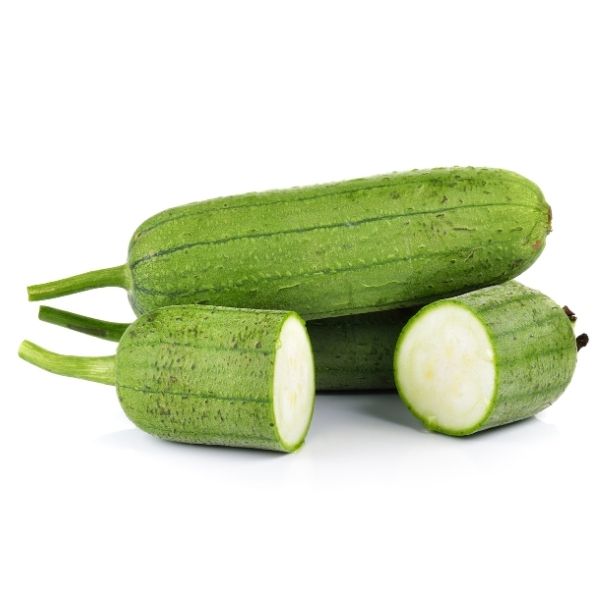
- Appearance: Long, green, cylindrical fruit with smooth or lightly ridged skin
- How it’s used: Stir-fried, sautéed, boiled, steamed, curried, stuffed, or added to soups
- Popular dishes: Stir-fries, curries, soups, side dishes, mixed vegetable dishes, fritters, stuffed dishes, and vegan meals
- Common pairings: Garlic, onions, tomatoes, ginger, chilies, coconut, lentils, beans, herbs, spices, and other vegetables
PLEASE NOTE
In Case the Recipe Page Doesn’t Load or You Don’t Find the Recipe on the Given Link: Simply close the tab and report it as “Recipe Not Found.” We’ll check the link and investigate.
🍳 Ways to Cook Sponge Gourd (Slender Luffa)
Stir-Fried Dishes
- Loofah / Luffa Stir Fry with Garlic & Fish Sauce (Hawaii-Style) – Click to Get Recipe
- Stir-Fried Basil Ginger Loofah Gourd, Comforting Canadian-Asian Fusion – Click to Get Recipe
- Stir-Fried Angled Luffa with Egg, Thai Village-Style Recipe – Click to Get Recipe
- Loofah Stir-Fry with Chicken & Oyster Sauce Marinade – Click to Get Recipe
- Stir-Fried Angled Gourd with Wood Ear Fungus, Carrot & Goji Berries (Vegetarian) – Click to Get Recipe
- Stir-Fried Luffa Gourd with Egg & Dried Shrimp – Click to Get Recipe
- Stir Fry Luffa Gourd (Silk Melon) with Dried Shrimp & Garlic – Click to Get Recipe
Soups
- Vietnamese Luffa Gourd Soup with Ground Pork (Canh Mướp Thịt Băm) – Click to Get Recipe
- Vietnamese Luffa Sponge Gourd Soup with Pork, Clear Noodles & Wood Ear (Canh Bi Thit Heo) – Click to Get Recipe
- Vietnamese Sponge Gourd & Dried Shrimp Soup (Canh Mướp Tôm Khô) – Click to Get Recipe
- 20-Minute Luffa Tomato Soup, Light & Nourishing – Click to Get Recipe
- Sayur Oyong: Indonesian Luffa Gourd Soup with Beef Balls & Cellophane Noodles – Click to Get Recipe
- Luffa Gourd Soup with Wood Ear & Oyster Mushrooms (Hmong-American, Vegetarian) – Click to Get Recipe
Curries
- Ridge Gourd Curry (Turai Ki Subzi), Pressure Cooker / Instant Pot Version – Click to Get Recipe
- Besan Wali Turai Ki Sabji, No Onion No Garlic Sponge Gourd Curry – Click to Get Recipe
- Ridge Gourd Bhaji, Classic Indian Sub-Continent Preparation – Click to Get Recipe
- Ridge Gourd Sabzi (Turai Ki Sabji), Simple Tomato-Based Curry – Click to Get Recipe
- Stuffed Gilki / Galgal Turai (Sponge Gourd) with Spiced Onion Masala – Click to Get Recipe
- Turai Ki Sabzi with Tomato Puree, Cumin & Curry Leaves – Click to Get Recipe
- Gilki (Sponge Gourd) & Peanut Ki Sabji, Bihar-Style Twist – Click to Get Recipe
- Gilki Turai (Luffa) Ki Sabzi with Kala Chana & Ghee – Click to Get Recipe
- Turai / Luffa / Sponge Gourd Curry, Quickest 20-Minute Vegetable Curry – Click to Get Recipe
- Luffa (Ridge Gourd) Shrimp Curry with Amchoor & Basmati Rice (Saveur Magazine, US) – Click to Get Recipe
Side Dishes
- Sautéed Luffa Gourd, Marshmallow-Texture Chinese-Style Side – Click to Get Recipe
- Braised Luffa with Egg Beancurd (焖胜瓜豆腐) – Click to Get Recipe
- Mướp Xào Tôm Khô – Luffa Stir Fry with Dried Shrimp (Australian-Vietnamese) – Click to Get Recipe
- Vietnamese Stir-Fried Loofah (Muop Xao), Vegetarian-Friendly – Click to Get Recipe
- Luffa Stir Fry with Garlic Chives & Sesame Seeds (US Farm-to-Table) – Click to Get Recipe
- Stir-Fried Loofah with Ground Pork, Fish Sauce & White Pepper (Thai-Style) – Click to Get Recipe
Stuffed Dishes
- Steamed Stuffed Luffa with Chicken, Shrimp & Chinese Herbal Soup Base – Click to Get Recipe
- Mướp Hương Nhồi Thịt – Vietnamese Pan-Fried & Braised Stuffed Luffa – Click to Get Recipe
Fritters
- Udupi-Style Heerekai Bajji, Ridge Gourd Fritters (Kuzhi Paniyaram Method) – Click to Get Recipe
- Gilka Bhajji, Silk Squash Fritters with Ajwain & Lime – Click to Get Recipe
- Heerekai Bajji, Turai/Ridge Gourd Pakoda with Chickpea Batter – Click to Get Recipe
- Ridge Gourd Bajji, Peerkangai Bajji, Crunchy Gram Flour Fritters – Click to Get Recipe
- Turai (Ridge Gourd) Fritters Pakoda with Garam Masala – Click to Get Recipe
- Ridge Gourd Fries / Heere Kai Pakora, Soft Inside Crunchy Outside – Click to Get Recipe
- Ridge Gourd Pakoda / Beerakaya Bajji / Janhi Pakoda with Rice Flour – Click to Get Recipe
- Heerekai Bhajji, Ridge Gourd Fritters with Semolina & Carom Seeds – Click to Get Recipe
Noodle Dishes
- Luffa with Glass Noodles, Dried Shrimp & Cloud Ear Fungus – Click to Get Recipe
- Luffa with Corn, Shiitake & Glass Noodles (Vegan) – Click to Get Recipe
- Luffa Soup with Black Fungus & Vermicelli, Dried Shrimp Broth – Click to Get Recipe
Egg Dishes
- Loofah / Luffa and Eggs, 3-Ingredient Fish Sauce Scramble – Click to Get Recipe
- Scrambled Egg with Luffa & Black Fungus, Ginger-Infused – Click to Get Recipe
- Stir-Fried Luffa with Egg, Garlic & Soy-Fish Sauce Blend – Click to Get Recipe
- Luffa with Eggs (丝瓜炒蛋 Sigua Chao Dan), Classic Chinese Home Cooking – Click to Get Recipe
- Luffa with Egg & Prawns (絲瓜炒蛋), Swirled Egg Technique – Click to Get Recipe
Seafood Dishes
- Luffa Fish Fillet Tofu Stew (丝瓜鱼片豆腐煲), 3-Ingredient Umami Bowl – Click to Get Recipe
- Luffa and Shrimp Soup (Sigua Xiaren Tang), Shrimp-Head Infused Broth – Click to Get Recipe
Meat Dishes
- Stir-Fried Pork with Luffa & Black Fungus, Rice Wine Finish – Click to Get Recipe
Sponge Gourd (Luffa) Cooking Tips & Ideas

Tip #1 – Choose Young, Firm, and Slender Luffa for the Best Flavor
- The key to a great sponge gourd dish starts at the market. Look for gourds that are firm, heavy for their size, and vibrant green, ideally around 10 inches long.
- Avoid any that feel soft, have dull or yellowish skin, or show soft spots—these are older, more fibrous, and far more likely to be bitter.
- A young, firm luffa will be tender and sweet, which is essential for every recipe in your collection, from stir-fries to soups.
Idea #2 – The Non-Negotiable Taste Test – Always Sample a Raw Piece
- Before you invest time in peeling and cooking, cut a very thin slice from the trimmed end and taste it. It should taste mild and slightly sweet.
- If it tastes noticeably bitter, discard the entire gourd immediately.
- Bitterness comes from compounds that intensify with cooking, and no amount of salt, sugar, or spices can fix it. This five-second test protects every dish you make.
Tip #3 – The "Sweating" Method – The Secret to Non-Soggy, Less Bitter Luffa
- Sponge gourd is over 90% water, which can make stir-fries and curries watery.
- After slicing, place the pieces in a colander, sprinkle generously with about 1 teaspoon of kosher salt, and toss to coat. Let it sit for 15 minutes.
- This “sweating” process draws out excess water and any potential bitter compounds, concentrating the gourd’s natural sweetness and firming up its texture.
- After 15 minutes, rinse the slices and pat them thoroughly dry before cooking.
Idea #4 – Peel Completely – The Skin Is Tough and Bitter
- Unlike some vegetables, the skin of a sponge gourd is tough and should be removed.
- Use a vegetable peeler to remove all the green skin and the slightly tougher layer just beneath it.
- For ridged varieties, you may need to first slice off the hard, raised ridges with a paring knife. After peeling, the flesh should be pale green and tender.
Tip #5 – Cut According to Your Recipe – Half-Moons, Cubes, or Rounds
- The right cut makes a difference in texture.
- Stir-fries and quick sautés: Cut into ½-inch half-moons or bite-sized chunks so they cook quickly and evenly.
- Curries and soups: Cut into 1-inch cubes to hold their shape well during simmering.
- Stuffed dishes: Cut the peeled gourd into 2-3 inch cylinders and hollow out the center.
Idea #6 – Cook on High Heat and Don't Overcrowd the Pan
- The secret to tender-crisp luffa that isn’t mushy is high, fast heat.
- Get your wok or skillet properly hot before adding oil, then add the dried gourd pieces in a single layer.
- Do not overcrowd the pan; cook in batches if necessary.
- Stir-fry for only 2-3 minutes, just until the luffa turns translucent at the edges and is tender-crisp. Overcrowding steams the gourd instead of searing it.
Tip #7 – Let the Luffa Release Its Own Sweet Juices for a Natural Gravy
- As it cooks, fresh luffa releases its own juices, creating a light, naturally sweet gravy. Because of this, you don’t need to add a lot of liquid or heavy sauces.
- For stir-fries like Cantonese Luffa with Tofu, simply sauté aromatics like garlic and ginger, add the luffa, and let it cook in its own moisture.
- The result is a delicate, savory sauce that coats the gourd perfectly.
Idea #8 – For Soups, Add Luffa in the Last 3-5 Minutes
- Sponge gourd cooks very quickly. For soups like Filipino Misua with Patola or Vietnamese Luffa Soup, add the sliced gourd during the final 3-5 minutes of cooking—just until it’s tender but still has a slight bite.
- Overcooking will turn it into a mushy, disintegrated mess.
- This timing is essential for maintaining the perfect texture in every soup recipe.
Tip #9 – For Stuffed Dishes, Prep the Shells and Cook Gently
- For stuffed luffa recipes, peel the gourd, cut it into thick rounds, and hollow out the center to create a “cup.” Fill with your prepared stuffing.
- When cooking, arrange the stuffed pieces in a single layer in a pan with a little oil. Cook covered on low heat, turning occasionally with a gentle hand.
- Do not stir roughly, as the delicate shells can break. Steaming for about 15 minutes is also an excellent method.
Idea #10 – Pair with Eggs for a Quick, Protein-Packed Stir-Fry
- Luffa and eggs are a classic combination in Chinese and Southeast Asian cooking.
- Scramble the eggs separately until just set, then set aside. Stir-fry the gourd with garlic and seasonings until tender-crisp, then gently fold the eggs back in.
- The creaminess of the eggs coats the gourd and mellows its flavor.
- This is the foundation of Luffa with Eggs and Stir-Fried Luffa with Egg recipes.
Tip #11 – Add Dried Shrimp or Dried Scallops for an Umami Boost
- Sponge gourd’s mild flavor is a perfect canvas for umami-rich ingredients.
- Sauté dried shrimp, dried scallops, or fermented black beans with your garlic and ginger before adding the luffa.
- These ingredients add a deep, savory, briny flavor that elevates the entire dish.
- This is the secret behind Vietnamese Luffa & Dried Shrimp Soup and Cantonese-style luffa stir-fries.
Idea #12 – For Noodle Soups, Toast the Noodles First
- For Filipino Misua with Patola, a key step is to lightly toast the misua noodles in the pot with oil and garlic before adding any liquid.
- This simple 30-second step coats the delicate strands in flavorful oil, prevents them from dissolving into mush, and adds a subtle, nutty depth to the soup.
- It transforms the texture and flavor of the entire dish.
Tip #13 – Use a Cornstarch Slurry to Thicken the Natural Gravy
- If your stir-fried luffa releases a lot of liquid and you want a thicker, more coating sauce, use a cornstarch slurry.
- Mix 1 teaspoon of cornstarch with 2 tablespoons of cold water and stir it into the pan during the final minute of cooking.
- The sauce will thicken into a glossy gravy that clings beautifully to the tender gourd and any accompanying protein.
Idea #14 – Add a Squeeze of Lemon or a Splash of Fish Sauce at the End
- To brighten the flavor of your finished dish, add a squeeze of fresh lemon juice or a splash of fish sauce (patis) just before serving.
- The acid cuts through the gourd’s mildness and makes the other flavors pop, while the fish sauce adds a savory, umami depth.
- This is a classic finishing touch in Filipino and Vietnamese cooking.
Tip #15 – Don't Overcook – Luffa Tastes Best When It's Tender-Crisp
- Sponge gourd cooks extremely fast and can turn to mush in seconds. The goal is always tender but still holding its shape, with a slight bite.
- Stir-fries: 2-3 minutes over high heat is enough.
- Soups: 3-5 minutes of simmering.
- Steamed dishes: 10-15 minutes.
- Test with a fork—it should pierce easily but the gourd should not fall apart.