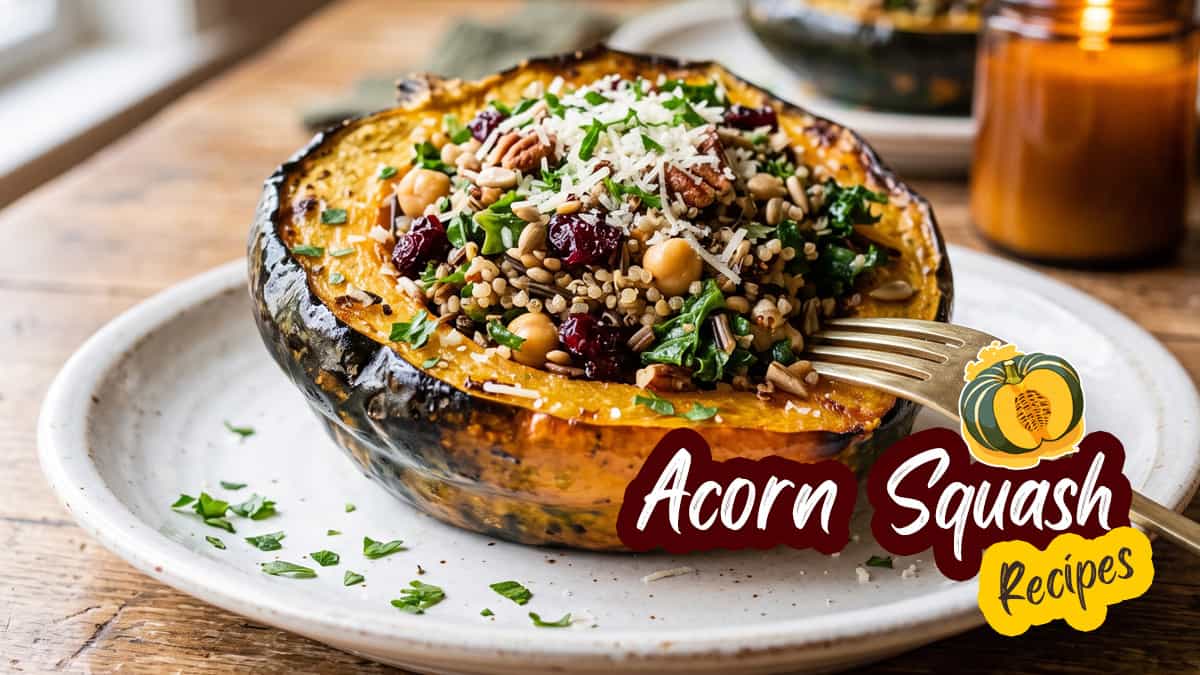
Acorn squash is one of those winter squashes that can turn into much more than a simple roasted side dish. Also known as pepper squash, it has mildly sweet, nutty flesh that works beautifully in roasted and baked dishes, stuffed squash, soups, purées, salads, casseroles, pasta, and comforting dinners. It can also be used in sweet recipes, including cookies and other baked treats.
🎃 Did you know? Acorn squash is a type of winter squash, and the name pepper squash is also used for acorn squash. Its naturally sweet flavor makes it easy to use in both savory and sweet recipes, from maple-roasted squash and hearty stuffed dinners to soups, mashed squash, and desserts.
In this collection, you’ll find 90+ acorn squash recipes organized by how you want to cook and enjoy them—from roasted acorn squash and baked recipes to stuffed squash, soups, purées, salads, casseroles, pasta, breakfast dishes, and sweet treats. Whether you’re searching for an easy acorn squash recipe, an acorn pepper squash idea, or new ways to use this versatile acorn winter squash, there are plenty of recipes to explore.
What Is Acorn Squash?
- Common names: Acorn squash, pepper squash, acorn winter squash
- Type: Winter squash
- Flavor: Mildly sweet, nutty, and slightly earthy
- Texture: Firm when raw, tender and creamy when cooked
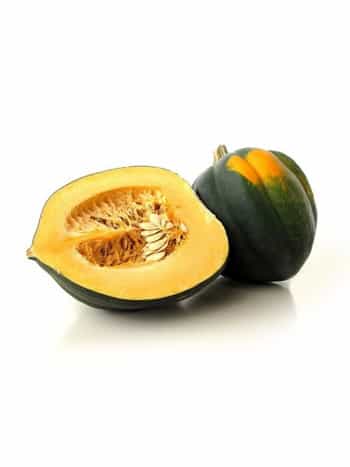
- Appearance: Small, ridged squash with a distinctive acorn-like shape and usually dark green skin
- How it’s used: Roasted, baked, stuffed, steamed, sautéed, mashed, puréed, or added to soups and other dishes
- Popular dishes: Roasted squash, stuffed squash, soups, salads, casseroles, pasta, hashes, side dishes, and savory dinners
- Sweet uses: Cookies, sweet baked squash, maple-glazed dishes, and other desserts
- Common pairings: Butter, maple syrup, brown sugar, garlic, onions, herbs, cheese, grains, nuts, apples, cranberries, sausage, chicken, and warm spices
PLEASE NOTE
In Case the Recipe Page Doesn’t Load or You Don’t Find the Recipe on the Given Link: Simply close the tab and report it as “Recipe Not Found.” We’ll check the link and investigate.
Ways to Cook Acorn Squash (Pepper Squash)
Explore delicious ways to prepare acorn squash, from roasted and stuffed squash to comforting soups, curries, purées, casseroles, salads, and sweet baked treats.
Roasted & Baked
- Roasted Acorn Squash with Maple Syrup, Sage & Rosemary – Click to Get Recipe
- Roasted Acorn Squash Slices with Brown Sugar, Cinnamon & Cumin – Click to Get Recipe
- Perfect Roasted Acorn Squash with Olive Oil & Sea Salt – Click to Get Recipe
- Simple Roasted Acorn Squash with Edible Skin & Maple Syrup – Click to Get Recipe
- Roasted Acorn Squash with Butter, Brown Sugar & Maple Syrup – Click to Get Recipe
- Roasted Acorn Squash with Sweet-Smoky Spiced Butter Glaze – Click to Get Recipe
- Parmesan Herb Roasted Acorn Squash with Garlic & Fresh Basil – Click to Get Recipe
- Easy Roasted Acorn Squash with Garlic, Thyme & Crushed Red Pepper – Click to Get Recipe
- Classic Baked Acorn Squash with Brown Sugar & Butter (Food Network) – Click to Get Recipe
Stuffed Acorn Squash
- Stuffed Acorn Squash with Bell Peppers, Spinach, Goat Cheese & Pine Nuts – Click to Get Recipe
- Stuffed Acorn Squash with Spiced Quinoa, Black Beans & Avocado – Click to Get Recipe
- Vegetarian Stuffed Acorn Squash with Quinoa & Roasted Vegetables – Click to Get Recipe
- Stuffed Acorn Squash with Cranberry Quinoa, Two Cheeses & Pepitas – Click to Get Recipe
- Stuffed Acorn Squash with Farro, Chickpeas, Kale & Garlic – Click to Get Recipe
- Quinoa Stuffed Acorn Squash with Garbanzo Beans, Dried Cherries & Pecans – Click to Get Recipe
Soups & Bisques
- Acorn Squash Bisque with Roasted Squash & Optional Spicy Shrimp – Click to Get Recipe
- Nutty Buttery Acorn Squash Bisque with Apple & Warm Spices – Click to Get Recipe
- Roasted Acorn Squash Bisque with Onion, Carrot, Celery & Garlic – Click to Get Recipe
- Martha Stewart’s Acorn Squash Bisque with Half-and-Half & Thyme – Click to Get Recipe
- Acorn Squash Bisque with Pears, Ginger & Nonfat Yogurt Swirl – Click to Get Recipe
- Winter Squash Bisque with Ginger, Cinnamon & Cream – Click to Get Recipe
Curry & Savory Dishes
- Acorn Squash Curry with Bell Pepper, Coconut Milk & Curry Paste – Click to Get Recipe
- Curried Acorn Squash Soup with Roasted Squash, Ginger & Spices – Click to Get Recipe
- Coconut Acorn Squash Curry with Tamarind, Ginger & Warming Spices – Click to Get Recipe
- Acorn Squash Curry with Lentils & Roasted Chickpeas, Thai-Inspired – Click to Get Recipe
- Curry Roasted Acorn Squash with Coconut Oil & Brown Sugar – Click to Get Recipe
- Vegan Thai Curry Stuffed Acorn Squash with Coconut Milk & Lime – Click to Get Recipe
- Acorn Squash Curry with Tomato, Garlic & Amchur Powder (Air-Fried) – Click to Get Recipe
Purée & Mash
- 2-Ingredient Acorn Squash Puree, Silky Smooth & Simple – Click to Get Recipe
- Roasted Acorn Squash & Garlic Mash with Leeks & Apple – Click to Get Recipe
- Mashed Acorn Squash with Coconut Oil or Butter & Real Salt – Click to Get Recipe
- Sweet & Buttery Mashed Acorn Squash with Brown Sugar, Cinnamon & Nutmeg – Click to Get Recipe
- Mashed Acorn Squash with Roasted Garlic, Cumin & Cayenne – Click to Get Recipe
- Simple Mashed Acorn Squash with Coconut Sugar & Pecan Granola – Click to Get Recipe
- Roasted Mashed Acorn Squash with Maple Walnuts & Rosemary – Click to Get Recipe
- Pressure Cooker Mashed Acorn Squash with Butter, Brown Sugar & Nutmeg – Click to Get Recipe
- Winter Squash Puree with Maple Syrup, Butter & Fresh Nutmeg – Click to Get Recipe
Salads & Side Dishes
- Grilled Acorn Squash Salad with Arugula, Pine Nuts & Herbed Lemon Vinaigrette – Click to Get Recipe
- Roasted Acorn Squash Salad with Kale, Pomegranate & Maple Tahini Dressing – Click to Get Recipe
- Acorn Squash Salad with Maple Dressing & Cinnamon – Click to Get Recipe
- Acorn Squash Salad with Goat Cheese, Maple Almonds & Lemon Tahini Dressing – Click to Get Recipe
- Roasted Acorn Squash Salad with Spicy Pepitas & Cranberries – Click to Get Recipe
- Air Fryer Acorn Squash Salad with Pecans, Cranberries & Orange Dressing – Click to Get Recipe
- Roasted Acorn Squash Salad, Simple Antipasto or Side Dish (Lidia Bastianich) – Click to Get Recipe
- Acorn Squash Salad with Kale, Purple Cabbage & Pomegranate Supergreens Dressing – Click to Get Recipe
- Roasted Acorn Squash Salad with Goat Cheese, Pistachios & Balsamic Vinaigrette – Click to Get Recipe
- Harvest Salad with Roasted Acorn Squash, Pear & Maple-Dijon Dressing – Click to Get Recipe
Don't Miss
90+ Butternut Squash Recipes: Pasta, Soups, Curries & Stews, Ravioli, Roasts, Dishes & More
Casseroles, Pasta & Lasagna
- Acorn Squash Lasagna with Roasted Squash, Tomato Sauce & Cheese Layers – Click to Get Recipe
- Vegetarian Acorn Squash Lasagna with Creamy Béchamel & Fresh Sage – Click to Get Recipe
- Acorn Squash Lasagna with Black Walnut Cream Sauce & Asiago – Click to Get Recipe
- Classic Acorn Squash Lasagna with Ricotta, Parmesan & Sage – Click to Get Recipe
- Butternut & Acorn Squash Gratin with Fennel, Onion & Two Cheeses – Click to Get Recipe
- Acorn & Butternut Squash Gratin Casserole with Potatoes, Garlic & Gruyère (Provençal Style) – Click to Get Recipe
- Winter Squash Gratin with Parmesan, Shallots & Sage (Kabocha, Delicata or Acorn) – Click to Get Recipe
- Squash Gratin with Gruyère, Parmesan & Fresh Thyme Cream Sauce – Click to Get Recipe
- Brown Butter Acorn Squash Pasta with Toasted Hazelnuts & Sage – Click to Get Recipe
- Acorn Squash & Sage Brown Butter Spaghetti with Parmesan – Click to Get Recipe
Muffins, Bread & Cookies
- Apple Acorn Squash Muffins with Oats & Cinnamon (1-Bowl, Vegan) – Click to Get Recipe
- Roasted Acorn Squash Muffins with Pecans or Walnuts – Click to Get Recipe
- Acorn Squash Bread with Cardamom, Ginger & Cinnamon – Click to Get Recipe
- Acorn Squash Bread with Cider Vanilla Glaze & Granola Topping – Click to Get Recipe
- Homemade Acorn Squash Bread with Yogurt, Cinnamon & Sweet Glaze – Click to Get Recipe
- Vegan Acorn Squash Muffins, Naturally Sweetened & Egg-Free – Click to Get Recipe
- Acorn Squash Bread with Pecans, Fluffy & Moist Texture – Click to Get Recipe
Acorn Winter Squash Recipes (Winter Special)
- Pepper Squash (Acorn Squash) 101 – National Pepper Squash Day Recipe Roundup – Click to Get Recipe
- Roasted Winter Squash Salad with Sumac, Nigella Seeds & Sunflower-Yogurt Sauce – Click to Get Recipe
- Winter Squash Soup with Ginger, Lime, Cilantro & Chili – Click to Get Recipe
- Roasted Acorn Squash Soup with Spiced Oil (Saveur Winter Collection) – Click to Get Recipe
- 32 Winter Squash Recipes to Squash the Cold-Weather Blues – Full Seasonal Roundup – Click to Get Recipe
- Brown Butter Acorn Squash Pasta with Sage & Toasted Hazelnuts (Hamilton Beach) – Click to Get Recipe
- Squash Casserole with Crunchy Pecan Topping, Thanksgiving Family Favorite – Click to Get Recipe
Cakes & Pies
- Crustless Acorn Squash Pie with Apples & Warm Spices – Click to Get Recipe
- Squash Custard Pie with Homemade Flaky Crust (Taste of Home) – Click to Get Recipe
- Easy Acorn Squash Pie with Yogurt-Based Crust, a Pumpkin Pie Alternative – Click to Get Recipe
- Vegan Acorn Squash Pie with Tofu, Maple Syrup & Coconut Whipped Cream – Click to Get Recipe
- Brandied Acorn Squash Pie with Homemade Tart Dough – Click to Get Recipe
- Acorn Squash Upside-Down Cake with Brown Butter & Caramel – Click to Get Recipe
- Bourbon Maple Golden Acorn Squash Pie with Ginger & Pumpkin Pie Spice – Click to Get Recipe
- Acorn Squash Streusel Pie with Sweet Nutty Topping – Click to Get Recipe
Breakfast & Sweet Recipes
- Protein-Packed Breakfast Acorn Squash with Yogurt, Honey & Pecans – Click to Get Recipe
- Warm Acorn Squash Breakfast Porridge, 2-Ingredient Paleo & Vegan – Click to Get Recipe
- Vegan Acorn Squash Breakfast Bowl with Yogurt, Granola & Nut Butter – Click to Get Recipe
- Acorn Squash Breakfast Bowl with Yogurt, Pecans & Bourbon Maple Syrup – Click to Get Recipe
- Roasted Acorn Squash Pancakes, Fluffy & Naturally Sweet – Click to Get Recipe
- Acorn Squash Stuffed with Cranberry-Pecan Oatmeal & Apples – Click to Get Recipe
- Acorn Squash Pancakes with Buttery Warm Flavor, Kid-Friendly – Click to Get Recipe
- Allergy-Friendly Acorn Squash Pancakes with Flax Egg, Dairy & Egg-Free – Click to Get Recipe
- Acorn Squash Breakfast Sandwiches with Ham & Squash Pancake Buns – Click to Get Recipe
- Breakfast Stuffed Acorn Squash with Chicken Sausage, Eggs & Garlic Aioli – Click to Get Recipe
- 5-Ingredient Breakfast Stuffed Acorn Squash with Sausage & Baked Egg – Click to Get Recipe
Acorn Squash: Air Fryer
- 4-Ingredient Air Fryer Acorn Squash with Garlic Honey Butter Sauce – Click to Get Recipe
- Air Fryer Acorn Squash with Maple Syrup, Pumpkin Spice & Cayenne – Click to Get Recipe
- Air Fryer Maple Roasted Acorn Squash with Ghee & Toasted Hazelnuts (Paleo) – Click to Get Recipe
- 10-Minute Air Fryer Acorn Squash Slices with Brown Sugar & Cinnamon – Click to Get Recipe
- Air Fryer Acorn Squash with Smoky-Spicy-Sweet Savory Seasoning – Click to Get Recipe
- Simple Air Fryer Acorn Squash Halves with Butter & Salt – Click to Get Recipe
- 4-Ingredient Air Fryer Acorn Squash with Brown Sugar & Cayenne Pepper – Click to Get Recipe
- Easy Acorn Squash Air Fryer Recipe with Butter, 20-25 Minute Side – Click to Get Recipe
- Air Fryer Acorn Squash Halves, Caramelized & Flipped for Even Cooking – Click to Get Recipe
Acorn Squash: Slow Cooker
- Slow Cooker Acorn Squash with Butter, Brown Sugar & Optional Bacon – Click to Get Recipe
- Slow Cooker Acorn Squash with Cinnamon, Nutmeg & Brown Sugar – Click to Get Recipe
- Lazy Slow Cooker Acorn Squash with Dried Cranberries & Nuts – Click to Get Recipe
- Slow Cooker Acorn Squash with Apples, Raisins & Apple Cider (Vegan) – Click to Get Recipe
- Slow Cooker Rosemary Acorn Squash with Balsamic Vinegar & Chèvre (Savory) – Click to Get Recipe
- Slow Cooker Acorn Squash with Cinnamon, Nutmeg & Brown Sugar (5-Min Prep) – Click to Get Recipe
- Crock-Pot Sweet Acorn Squash with Scored Flesh for Deep Flavor – Click to Get Recipe
- Crock Pot Acorn Squash with Savory Spice Blend Option – Click to Get Recipe
Acorn Squash: Instant Pot
- Instant Pot Acorn Squash with Brown Sugar, Butter & Cinnamon (7-Minute Cook) – Click to Get Recipe
- Instant Pot Buttery Sweet Acorn Squash with Caramelized Maple Butter Glaze – Click to Get Recipe
- Instant Pot Acorn Squash, Savory & Sweet Seasoning Options – Click to Get Recipe
- Instant Pot Acorn Squash, 7-Minute High Pressure with Natural Release – Click to Get Recipe
- Easy Instant Pot Acorn Squash with Brown Sugar & Warm Spices – Click to Get Recipe
- How to Cook Acorn Squash in the Instant Pot, Perfect for Mashing or Puree – Click to Get Recipe
- Pressure Cooker Simple Sweet Acorn Squash with Vegan Coconut Oil Option – Click to Get Recipe
- Instant Pot Acorn Squash with Wire Rack, Upside-Down Cooking Method – Click to Get Recipe
30 Acorn Squash Cooking Tips & Ideas

Selection, Prep & Cutting Hacks
- Tip #1 – 2-Minute Microwave Softening Hack: Prick skin 4–5 times with a knife, microwave on high for 2 minutes, and rest for 1 minute. A sharp chef’s knife will glide through the tough skin without dangerous slipping.
- Idea #2 – Pick Heavy Squash with Dull Skin: Choose squash that feels heavy for its size with a deep green skin and an orange/yellow field spot. Shiny skin indicates it was picked too early and will taste watery.
- Tip #3 – Roast the Seeds for Free Snacks: Rinse seeds, pat dry, toss with olive oil and salt, and roast at 300°F for 15–20 minutes. They make a crunchy, nutty garnish for soups, salads, and grain bowls.
- Tip #4 – Clean Seeds Swiftly with a Melon Baller: Use a melon baller or ice cream scoop to remove stringy seeds and fibers in one smooth motion, leaving clean walls perfect for stuffing.
- Idea #5 – Damp Paper Towel Storage Hack: Store half an unused squash in the fridge by pressing a damp paper towel directly against the cut flesh before wrapping tightly in plastic wrap to keep it moist for 4–5 days.
Roasting, Baking & Grilling Techniques
- Tip #6 – Toss Slices with Oil in a Bowl, Not the Pan: Avoid drizzling oil over squash on the sheet pan. Toss slices in a large bowl with oil and spices to ensure even browning without dry spots.
- Idea #7 – Cut-Side Down for Crust, Cut-Side Up for Glazes: Roast cut-side down at 400°F for maximum caramelization. Switch to cut-side up for the last 10 minutes when applying maple or brown sugar glazes to prevent burning.
- Tip #8 – Tender Skin Is Completely Edible: Acorn squash skin softens when roasted for 30–40 minutes. No need to peel wedges or slices unless making a completely smooth purée or soup.
- Tip #9 – Rapid Air Fryer Roasting: Air fry seasoned squash slices at 380°F for 12–15 minutes (shaking halfway) to get crispy caramelized edges in half the oven time.
- Tip #10 – Grill Half-Inch Rings for Perfect Char: Slice squash into ½-inch rings (rather than wedges) for grilling. They lay flat on grates and cook evenly over medium-high heat in 4–5 minutes per side.
Stuffed, Casserole & Lasagna Hacks
- Idea #11 – Par-Cook Shells Before Stuffing: Roast empty halves cut-side down at 400°F for 15 minutes before adding filling. This prevents crunchy, undercooked shells when the filling is hot.
- Idea #12 – Use Roasted Planks as Lasagna Noodles: Slice squash lengthwise into ¼-inch planks, roast until pliable, and use them in place of pasta sheets for a delicious gluten-free lasagna layer.
- Tip #13 – Draw Out Excess Moisture for Casseroles: Toss raw cubed squash with salt (1 tsp per pound) and let sit in a colander for 15 minutes before patting dry. This keeps casseroles and gratins creamy rather than watery.
- Idea #14 – Score Flesh to Speed Up Breakfast Prep: Score a crosshatch pattern (½-inch deep) into raw squash halves before roasting. This cuts roasting time from 40 down to 25 minutes.
Soups, Bisques & Purée Perfection
- Idea #15 – Roast Before Simmering Soups: Always roast halved squash at 425°F for 35 minutes before blending into soups. The caramelized sugars create a deep, nutty bisque backbone.
- Tip #16 – Strain Purées for Silky Smoothness: Push roasted squash flesh through a fine-mesh strainer to catch stringy fibers, achieving a restaurant-smooth purée for sauces and pies.
- Idea #17 – Salt Mashed Squash After Blending: Mash or purée the squash first, incorporate your butter/cream, and then salt to taste for optimal flavor and fluffy texture.
- Idea #18 – Brighten Soups with Acid at the End: A teaspoon of apple cider vinegar or lemon juice stirred into soups, mashes, or curries right before serving balances the natural sweetness.
- Tip #19 – Whole Roasted Lazy Purée Hack: Deeply prick a whole squash several times and roast at 400°F for 60–90 minutes. Once cooled, the skin peels off by hand for zero-effort purée.
Pasta, Curries & Savory Flavoring
- Tip #20 – Dress Warm Squash for Salads: Toss hot roasted squash with half your vinaigrette immediately. Warm squash absorbs dressing like a sponge, whereas cold squash repels oil.
- Tip #21 – Infuse Brown Butter with Crispy Sage: Melt butter until amber and nutty, then crisp fresh sage leaves in it for 30 seconds before tossing in your roasted squash cubes and pasta.
- Idea #22 – Save Peel Trimmings for Stock: When peeling squash for curries, freeze the skins with onion and carrot scraps to simmer into a golden, flavorful vegetable stock.
- Tip #23 – Balance Sweet Curries with Coconut Milk & Lime: Full-fat coconut milk and a squeeze of fresh lime juice cut through the squash’s sweetness for a sweet-savory Thai balance.
- Tip #24 – Grate Hard Cheese Over Hot Squash: Grate Parmesan or Gruyère over hot roasted squash immediately after cooking; the residual heat creates a creamy, clingy sauce.
Baking, Leftovers & Creative Uses
- Idea #25 – Substitute 1:1 for Pumpkin Purée: Roasted acorn squash purée has the same density and moisture as canned pumpkin, making it an easy 1:1 substitute in muffins and quick breads.
- Idea #26 – Chill Pie Purée Overnight to Thicken: Refrigerate fresh purée uncovered overnight. Cold air evaporates excess water, concentrating flavor and helping pie fillings set cleanly.
- Idea #27 – Upgrade Morning Oatmeal & Yogurt: Fold leftover roasted squash cubes into morning oatmeal or yogurt parfaits with honey and cinnamon for a sweet breakfast boost.
- Idea #28 – Make Freezable Squash Compound Butter: Blend ½ cup roasted purée with 1 stick softened butter, maple syrup, and sage. Roll into a log and freeze to slice over warm pancakes or pasta.
- Tip #29 – Reheat Leftovers in a Dry Skillet: Skip the microwave to avoid rubbery squash. Reheat roasted cubes in a hot, dry skillet for 2 minutes per side to restore crisp caramelization.
- Idea #30 – Blend Leftovers into Velvet Hummus: Blend leftover roasted squash with chickpeas, tahini, lemon, and garlic to create a velvety sweet-savory fall hummus.