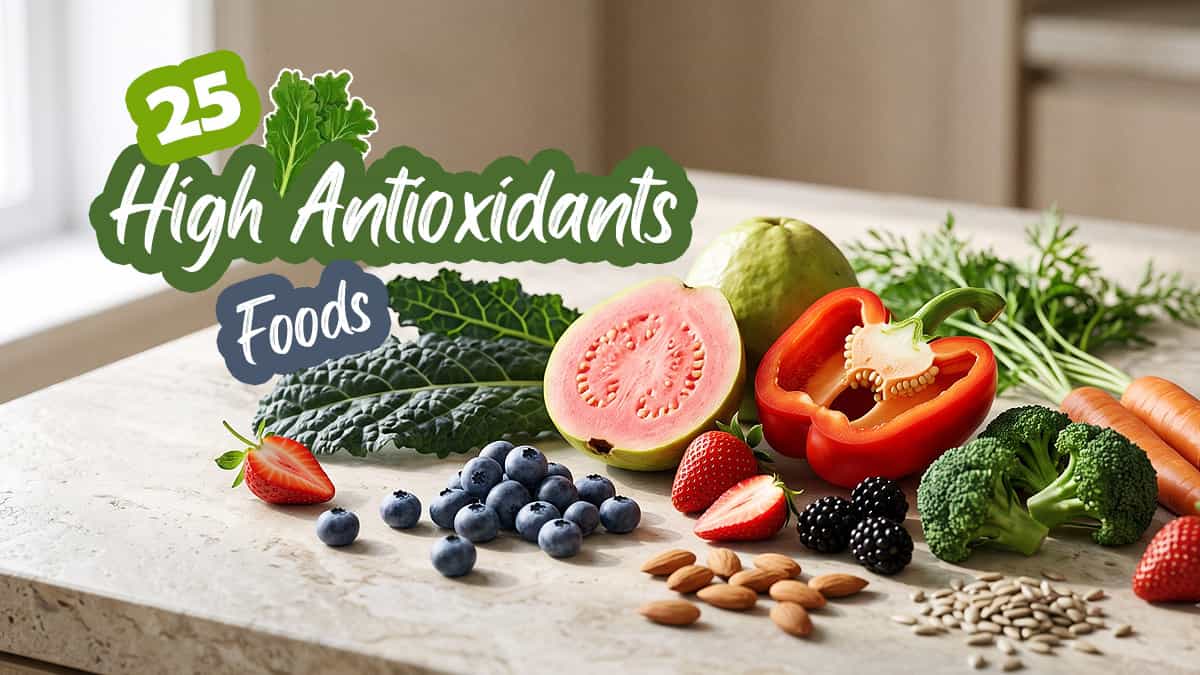
Looking for foods high in antioxidants? You do not need to rely on exotic powders or concentrated spices. Many everyday fruits, vegetables, nuts, and seeds provide antioxidant nutrients such as vitamin C, vitamin E, and vitamin A from carotenoids.
To make the foods easier to compare, this list uses 100 grams of edible food as the standard measurement. The ranking is based on the combined percentage of the FDA Daily Value supplied by vitamin C, vitamin E, and vitamin A in 100 grams.
This is a comparison method, not a recommended serving size. You do not need to eat 100 grams of every food on this list.
25 Foods High in Antioxidants
| Rank | Food | Type | Vitamin C / 100 g | Vitamin E / 100 g | Vitamin A / 100 g | Antioxidant Nutrient Highlights |
|---|---|---|---|---|---|---|
| 1 | Guava | Fruit | 228.3 mg | 0.73 mg | 31 mcg RAE | Vitamin C |
| 2 | Sunflower Seeds | Seed | 1.4 mg | 35.17 mg | 0 mcg RAE | Vitamin E |
| 3 | Almonds | Nut | 0 mg | 25.63 mg | 0 mcg RAE | Vitamin E |
| 4 | Red Bell Peppers | Vegetable | 127.7 mg | 1.58 mg | 157 mcg RAE | Vitamin C, A |
| 5 | Kale | Leafy Vegetable | 93.4 mg | 1.54 mg | 241 mcg RAE | Vitamin C, A, E |
| 6 | Kiwi | Fruit | 92.7 mg | 1.49 mg | 4 mcg RAE | Vitamin C, E |
| 7 | Broccoli | Vegetable | 89.2 mg | 0.78 mg | 31 mcg RAE | Vitamin C |
| 8 | Hazelnuts | Nut | 6.3 mg | 15.03 mg | 1 mcg RAE | Vitamin E |
| 9 | Brussels Sprouts | Vegetable | 85.0 mg | 0.88 mg | 38 mcg RAE | Vitamin C |
| 10 | Carrots | Vegetable | 5.9 mg | 0.66 mg | 835 mcg RAE | Vitamin A |
| 11 | Spinach | Leafy Vegetable | 28.1 mg | 2.03 mg | 469 mcg RAE | Vitamin A, E, C |
| 12 | Sweet Potatoes | Vegetable | 2.4 mg | 0.26 mg | 709 mcg RAE | Vitamin A |
| 13 | Papaya | Fruit | 60.9 mg | 0.30 mg | 47 mcg RAE | Vitamin C, A |
| 14 | Strawberries | Fruit | 58.8 mg | 0.29 mg | 1 mcg RAE | Vitamin C |
| 15 | Red Cabbage | Vegetable | 57.0 mg | 0.10 mg | 2 mcg RAE | Vitamin C |
| 16 | Oranges | Fruit | 53.2 mg | 0.18 mg | 11 mcg RAE | Vitamin C |
| 17 | Cantaloupe | Fruit | 36.7 mg | 0.05 mg | 169 mcg RAE | Vitamin A, C |
| 18 | Pineapple | Fruit | 47.8 mg | 0.02 mg | 3 mcg RAE | Vitamin C |
| 19 | Mango | Fruit | 36.4 mg | 0.90 mg | 54 mcg RAE | Vitamin C, A, E |
| 20 | Grapefruit | Fruit | 31.2 mg | 0.13 mg | 3 mcg RAE | Vitamin C |
| 21 | Raspberries | Fruit | 26.2 mg | 0.87 mg | 2 mcg RAE | Vitamin C, E |
| 22 | Blackberries | Fruit | 21.0 mg | 1.17 mg | 11 mcg RAE | Vitamin C, E |
| 23 | Avocado | Fruit | 10.0 mg | 2.07 mg | 7 mcg RAE | Vitamin E |
| 24 | Tomatoes | Fruit/Vegetable | 13.7 mg | 0.54 mg | 42 mcg RAE | Vitamin A, C |
| 25 | Blueberries | Fruit | 9.7 mg | 0.57 mg | 3 mcg RAE | Vitamin C, E |
*Values are approximate amounts per 100 g of edible food. Nutrient values can vary by variety, growing conditions, ripeness, and preparation. USDA FoodData Central provides food-composition data on a per-100-unit basis and includes multiple food-data types. *
How This Antioxidant Ranking Was Calculated
There is no single FDA number that tells you how “antioxidant” a food is. Instead, this list uses three established antioxidant nutrients:
- Vitamin C
- Vitamin E
- Vitamin A, including vitamin A supplied through carotenoids such as beta-carotene
The FDA Daily Values used for adults and children age 4 and older are 90 mg for vitamin C, 15 mg for vitamin E, and 900 mcg RAE for vitamin A.
For each food, the amount of these three nutrients in 100 grams was converted into a percentage of its respective FDA Daily Value. Those three percentages were then added to create the Antioxidant Nutrient Index used to order the table.
For example, guava provides about 228.3 mg of vitamin C per 100 grams, which is more than twice the FDA Daily Value for vitamin C. USDA-derived data also lists about 0.73 mg of vitamin E and 31 mcg RAE of vitamin A in the same 100 grams.
This calculation is an editorial comparison, not an FDA-approved food ranking.
1. Guava
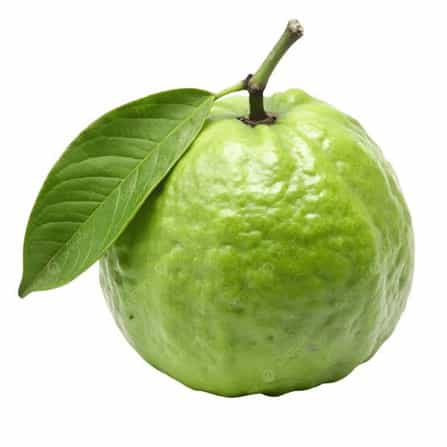
Type: Fruit
Guava takes the top spot because of its exceptionally high vitamin C content. About 100 grams provides more than 250% of the FDA Daily Value for vitamin C, while also supplying smaller amounts of vitamin E and vitamin A. USDA data lists 228.3 mg of vitamin C per 100 grams.
Fresh guava makes an easy snack, but it also works well in fruit salads, smoothies, jams, and desserts.
2. Sunflower Seeds
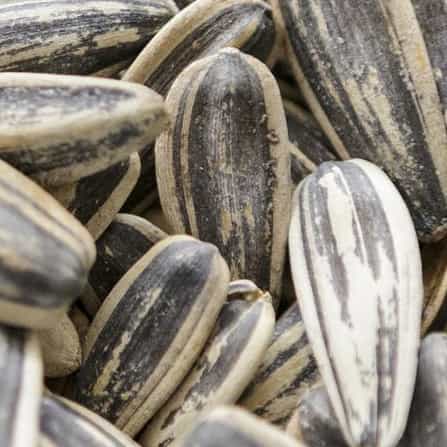
Type: Seed
Sunflower seeds are very different from fruits such as guava. Their strength is vitamin E, rather than vitamin C or vitamin A.
Vitamin E is a recognized antioxidant nutrient, and FDA nutrition guidance identifies nuts and seeds among foods that provide vitamin E.
A small handful can be added to oatmeal, yogurt, salads, or homemade snack mixes.
3. Almonds
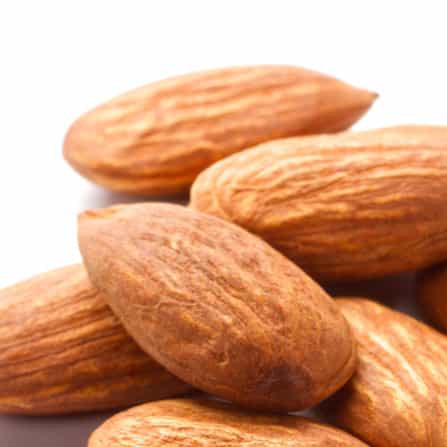
Type: Nut
Almonds are another concentrated source of vitamin E. They contain very little vitamin C and vitamin A, but their vitamin E content makes them particularly notable in this comparison.
Eat them as a snack or add sliced almonds to oatmeal, yogurt, salads, vegetables, and baked foods.
4. Red Bell Peppers
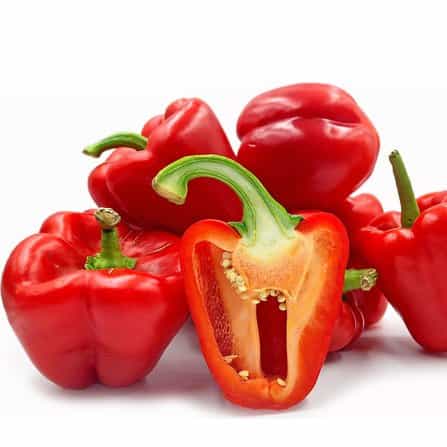
Type: Vegetable
Red bell peppers combine a very high vitamin C content with vitamin E and vitamin A from carotenoids.
Their bright red color comes partly from carotenoid pigments. They can be eaten raw, roasted, grilled, stuffed, or added to salads and stir-fries.
5. Kale
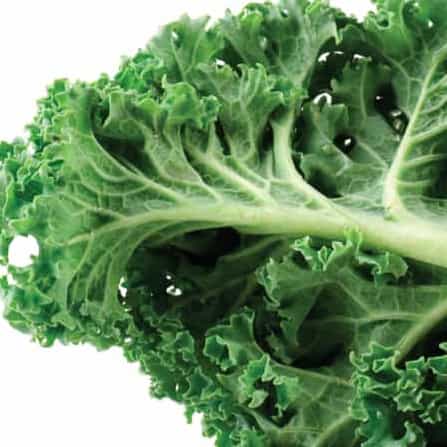
Type: Leafy Vegetable
Kale provides a useful combination of vitamin C, vitamin E, and vitamin A-related carotenoids. That gives it a much broader antioxidant-nutrient profile than foods that are especially strong in only one vitamin.
Use raw kale in salads or add cooked kale to soups, eggs, pasta, grain bowls, and other meals.
6. Kiwi
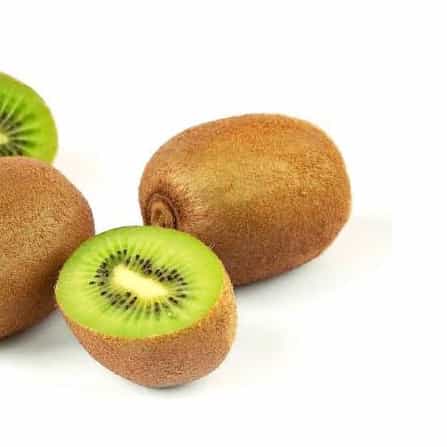
Type: Fruit
Kiwi is particularly rich in vitamin C and also supplies vitamin E. Its vitamin C content makes it one of the stronger everyday fruits in this comparison.
Eat it on its own, add it to fruit salads, or blend it into smoothies.
7. Broccoli
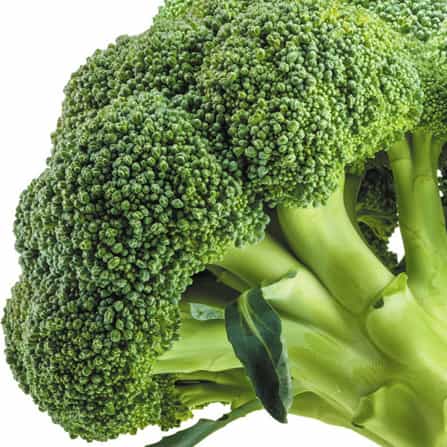
Type: Vegetable
Broccoli provides a large amount of vitamin C for relatively few calories and also contains vitamin E and vitamin A. USDA-derived data lists about 89.2 mg of vitamin C and 0.78 mg of vitamin E per 100 grams.
Steamed, roasted, stir-fried, or added to soups, broccoli is one of the easiest foods on this list to use regularly.
8. Hazelnuts
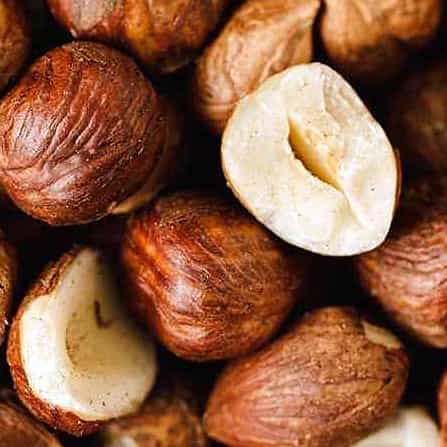
Type: Nut
Hazelnuts are another vitamin E-rich food. They contain much less vitamin C than fruits and vegetables, but their vitamin E contribution is significant.
They can be eaten whole, chopped over oatmeal, or incorporated into homemade granola and desserts.
9. Brussels Sprouts
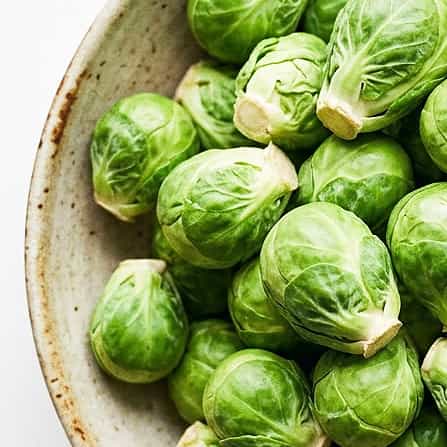
Type: Vegetable
Brussels sprouts provide a substantial amount of vitamin C along with smaller amounts of vitamin E and vitamin A.
Roasting brings out their natural sweetness, while steaming or sautéing keeps them simple enough for everyday meals.
10. Carrots
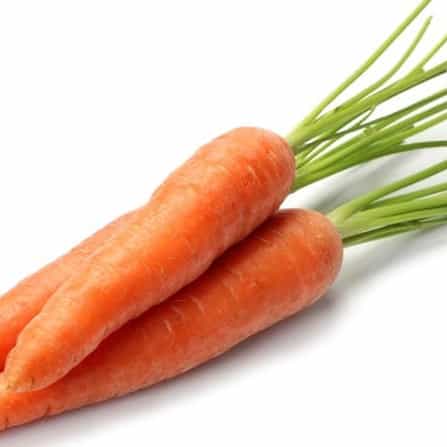
Type: Vegetable
Carrots are especially notable for vitamin A from carotenoids. About 100 grams of raw carrots provides approximately 835 mcg RAE of vitamin A, close to the FDA Daily Value of 900 mcg. They also provide smaller amounts of vitamins C and E.
Raw carrots are an easy snack, while cooked carrots work well in soups, stews, roasted vegetable dishes, and side dishes.
11. Spinach
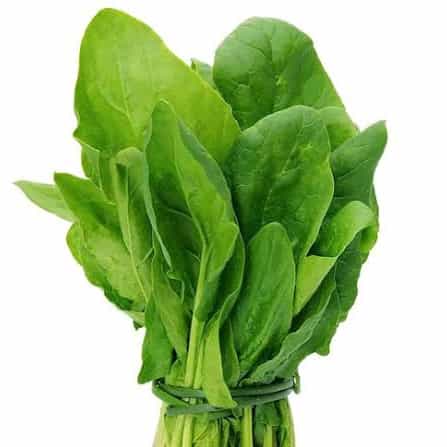
Type: Leafy Vegetable
Spinach provides a strong combination of vitamin A, vitamin C, and vitamin E. USDA-derived data lists about 469 mcg RAE of vitamin A and 2.03 mg of vitamin E per 100 grams of raw spinach.
12. Sweet Potatoes
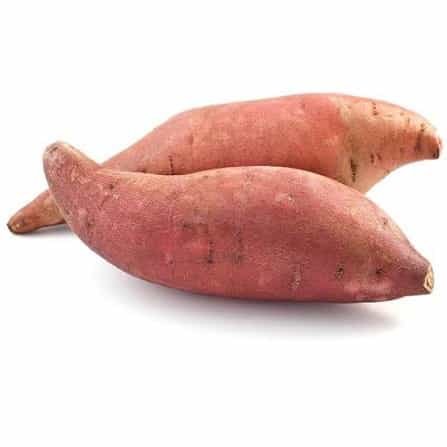
Type: Vegetable
Orange-fleshed sweet potatoes are particularly rich in beta-carotene, which contributes to vitamin A activity.
They can be baked, roasted, mashed, or added to soups and stews.
13. Papaya
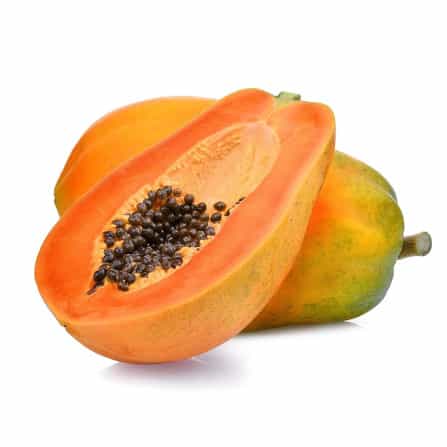
Type: Fruit
Papaya provides a substantial amount of vitamin C along with carotenoids that contribute to vitamin A. Its soft texture makes it convenient for breakfast, fruit salads, smoothies, and snacks.
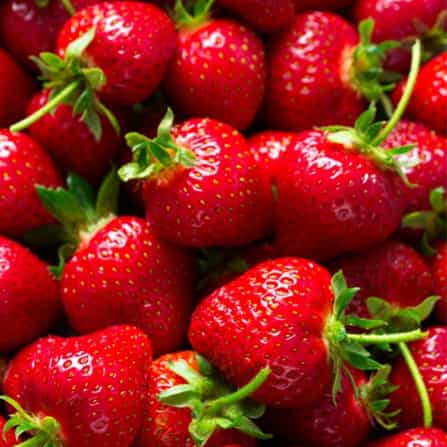
14. Strawberries
Type: Fruit
Strawberries are primarily notable here for vitamin C. They can contribute a meaningful amount of the daily vitamin C requirement while also providing fiber and other naturally occurring plant compounds.
Fresh or frozen strawberries work well in smoothies, oatmeal, yogurt, salads, and desserts.
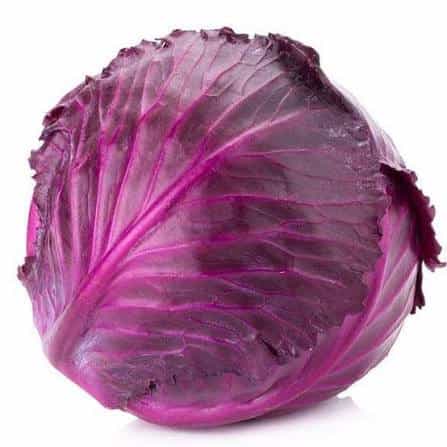
15. Red Cabbage
Type: Vegetable
Red cabbage provides vitamin C and contains naturally occurring anthocyanin pigments responsible for its deep purple-red color.
Use it raw in slaws and salads or cook it as a side dish.
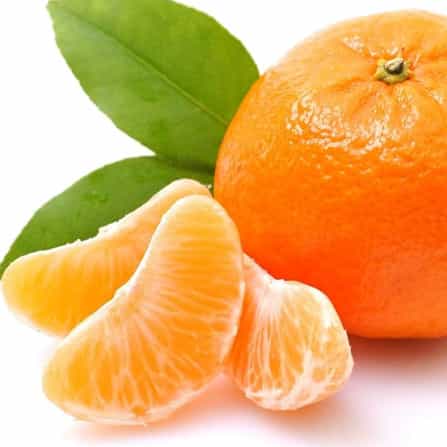
16. Oranges
Type: Fruit
Oranges are one of the most familiar sources of vitamin C. Eating the whole fruit also provides dietary fiber, making it different from drinking orange juice.
They make an easy snack and can also be added to fruit salads and desserts.
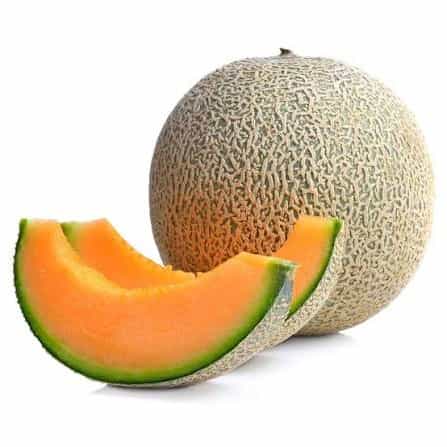
17. Cantaloupe
Type: Fruit
Cantaloupe supplies both vitamin C and carotenoids that contribute to vitamin A. Its high water content also makes it a refreshing fruit for breakfast and snacks.
18. Pineapple
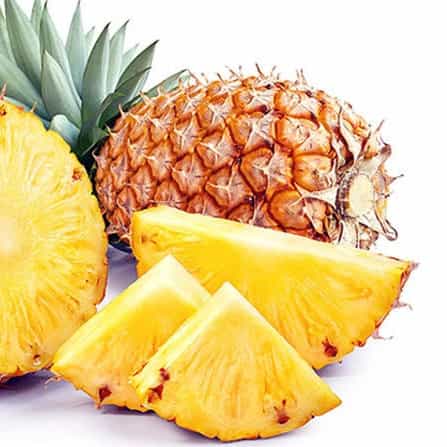
Type: Fruit
Pineapple is primarily a vitamin C food in this comparison. It can be eaten fresh or added to fruit salads, smoothies, salsas, and cooked dishes.
19. Mango
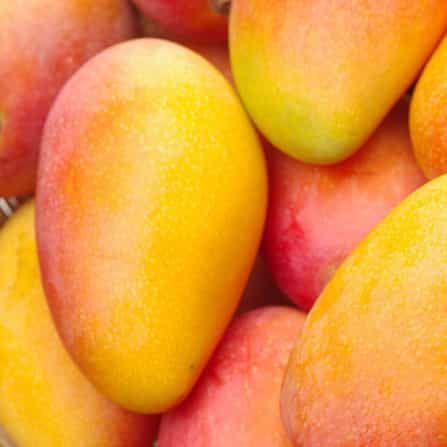
Type: Fruit
Mango provides vitamin C, vitamin A from carotenoids, and a smaller amount of vitamin E. Its combination of nutrients makes it a useful addition to an otherwise varied fruit diet.
Fresh mango can be eaten by itself or added to smoothies, salads, salsas, and desserts.
20. Grapefruit
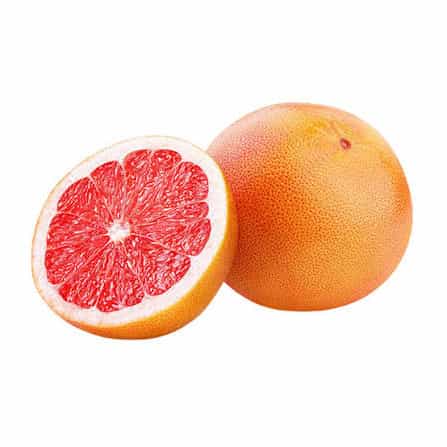
Type: Fruit
Grapefruit provides vitamin C and smaller amounts of vitamin E and vitamin A. Pink and red varieties can also contain carotenoid pigments such as lycopene.
Eat grapefruit fresh or add it to fruit salads.
Medication note: Grapefruit can interact with certain medicines, so people taking prescription medications should check with a pharmacist or doctor before consuming it regularly.
21. Raspberries
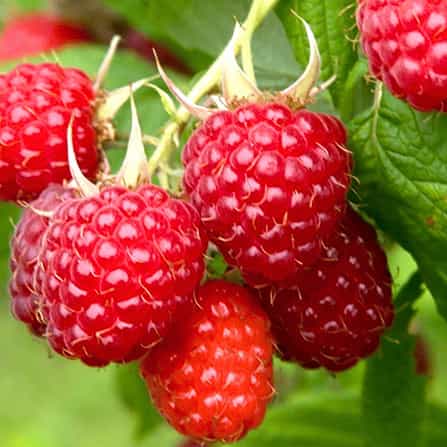
Type: Fruit
Raspberries provide vitamin C and a smaller amount of vitamin E. They are also naturally high in dietary fiber.
Fresh or frozen raspberries work well in yogurt, oatmeal, smoothies, and desserts.
22. Blackberries
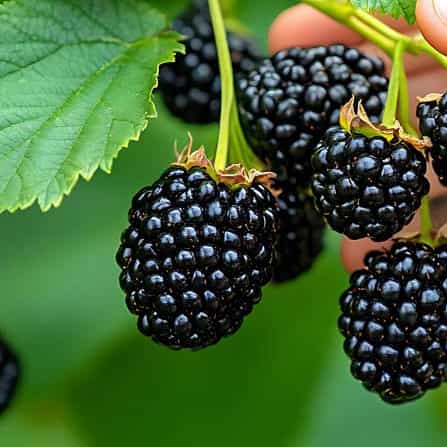
Type: Fruit
Blackberries provide vitamin C and vitamin E along with naturally occurring anthocyanins and other plant compounds.
Their deep color makes them an easy way to add variety to fruit bowls, smoothies, and breakfast dishes.
23. Avocado
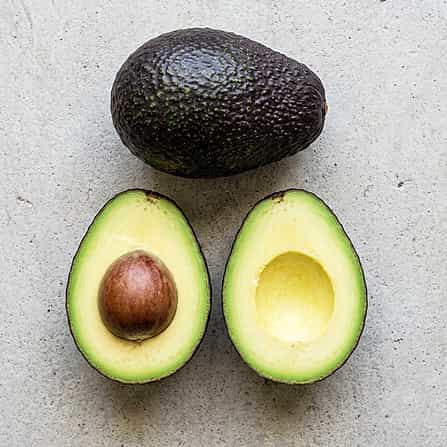
Type: Fruit
Avocado is unusual among fruits because it contains a meaningful amount of vitamin E and healthy unsaturated fats. It provides less vitamin C than most of the fruits near the top of this list.
Use avocado in salads, sandwiches, toast, wraps, grain bowls, or guacamole.
24. Tomatoes
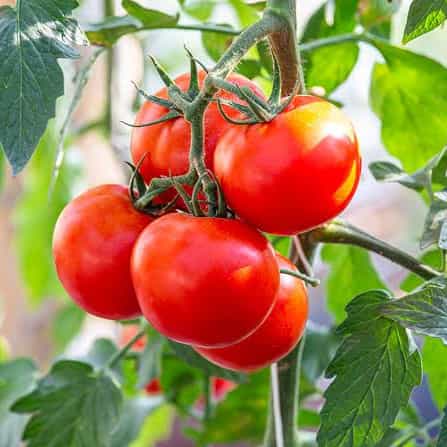
Type: Fruit/Vegetable
Botanically a fruit but commonly used as a vegetable, tomatoes provide vitamin C, vitamin A, and carotenoids including lycopene.
Fresh tomatoes work well in salads and sandwiches, while cooked tomatoes are widely used in sauces, soups, stews, and other dishes.
25. Blueberries
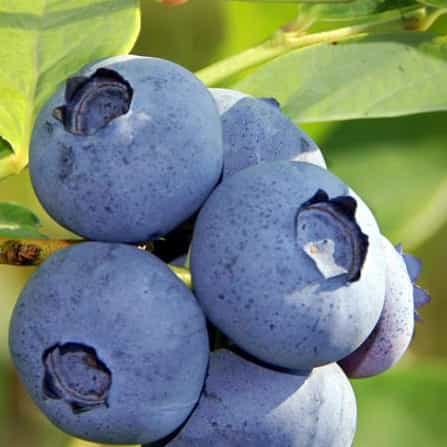
Type: Fruit
Blueberries provide vitamin C and a smaller amount of vitamin E and vitamin A. Their dark blue color comes from anthocyanin pigments, which are plant compounds that are not captured by the simple vitamin C + E + A calculation used for this ranking.
That is an important reason being #25 here does not mean blueberries are nutritionally “worse” than every food above them.
Why ORAC Value Is Not Used Here
You may find online antioxidant-food lists dominated by cloves, cinnamon, oregano, and other concentrated spices because they can produce very high ORAC values.
ORAC measures antioxidant capacity in a laboratory test. It does not directly tell you how much antioxidant benefit a person receives from eating a normal serving of a food.
This list therefore does not use ORAC scores. Instead, it uses recognized antioxidant nutrients and a transparent per-100-gram comparison.
Are Nuts and Seeds Really Antioxidant Foods?
Yes. Antioxidant-rich foods are not limited to colorful fruits and vegetables.
Vitamin E is particularly important here. Almonds, sunflower seeds, and hazelnuts rise high in this ranking because they contain considerably more vitamin E per 100 grams than most fruits and vegetables.
This also demonstrates why simply ranking foods by vitamin C would give a very different list.
What About Foods With Other Antioxidants?
Many foods contain plant compounds that are not represented by vitamin C, vitamin E, or vitamin A.
Examples include:
- Anthocyanins in berries and red cabbage
- Lycopene in tomatoes and some red fruits
- Lutein and zeaxanthin in leafy green vegetables
- Other naturally occurring polyphenols and carotenoids
These compounds are not included in the numerical ranking because there is no FDA Daily Value for them that can be added to the same calculation.
So this table should be understood as a ranking of foods based on three recognized antioxidant nutrients, not a complete ranking of every antioxidant compound found in food.
How Much of These Foods Should You Eat?
The 100-gram comparison is useful for comparing nutrient density, but it is not a recommendation to eat 100 grams of each food.
A better approach is variety. Include different types of fruits, vegetables, nuts, and seeds throughout the week.
For example, you might have berries or kiwi at breakfast, a salad with red peppers and spinach at lunch, broccoli or carrots with dinner, and a small portion of nuts or seeds as a snack.
The Bottom Line
Some of the strongest everyday foods for antioxidant nutrients include guava, sunflower seeds, almonds, red bell peppers, kale, kiwi, broccoli, hazelnuts, Brussels sprouts, carrots, and spinach.
The foods reach the top for different reasons. Guava is exceptionally high in vitamin C, nuts and seeds are strong sources of vitamin E, while carrots and sweet potatoes stand out for vitamin A from carotenoids.
Rather than searching for one magical “superfood,” the practical strategy is to eat a variety of colorful fruits and vegetables along with nuts and seeds. That gives your diet a broader mix of antioxidant nutrients and other beneficial food compounds.
💡 Important Notes
About This Ranking – This list compares foods using three recognized antioxidant nutrients: vitamins C, E, and A. It does not measure every antioxidant compound found in food. Foods ranked lower may still contain important antioxidant compounds that are not included in this calculation.
Serving Size Clarification – The 100-gram standard is used only to compare foods on the same basis. It is not a recommended serving size.
Nutrient Variability – Nutrient values are approximate and can vary depending on variety, growing conditions, ripeness, storage, and preparation.
ORAC Not Used – This ranking intentionally does not use ORAC scores. ORAC is a laboratory measure of antioxidant capacity and does not directly represent the nutritional benefit a person receives from eating a food.
Grapefruit Caution – Grapefruit and grapefruit juice can interact with certain medications. If you take prescription medicines, check with your pharmacist or doctor before consuming grapefruit regularly.
❓ Did You Know?
1. Guava provides about 254% of the FDA Daily Value for vitamin C per 100 grams, making it an exceptionally concentrated source of vitamin C.
2. Sunflower seeds provide about 35 mg of vitamin E per 100 grams, which is more than twice the FDA Daily Value for vitamin E.
3. Carrots provide about 835 mcg RAE of vitamin A per 100 grams, most of it coming from carotenoid compounds such as beta-carotene.
4. Almonds and hazelnuts contain very little vitamin C, but they rank highly in this comparison because they are particularly rich in vitamin E.
5. Blueberries appear near the bottom of this particular vitamin-based ranking, but that does not mean they are low in antioxidants overall. Their anthocyanins and other plant compounds aren’t included in our vitamin C, E, and A calculation.
🥑 Pro Tips: Practical Ways to Use These Foods
1. Guava – Wash well and enjoy it fresh, including the edible skin and seeds. Try sliced guava as a snack or add it to fruit salads and smoothies.
2. Sunflower Seeds – Sprinkle them over salads, oatmeal, yogurt, or roasted vegetables. Store shelled seeds properly to help maintain freshness.
3. Almonds – Eat them as a snack or add sliced almonds to oatmeal, yogurt, salads, vegetables, and homemade granola. Soaking is optional, not necessary.
4. Red Bell Peppers – Enjoy them raw in salads, wraps, or as a snack, or cook them in stir-fries and roasted vegetable dishes. Vitamin C can decrease with prolonged heating.
5. Kale – Massage raw kale with a little dressing to soften its texture, or add it to soups, eggs, pasta, salads, and smoothies.
6. Kiwi – The skin is edible when washed thoroughly. If you don’t like the texture, simply peel it and enjoy the fruit inside.
7. Broccoli – Steam, roast, or lightly sauté broccoli rather than cooking it for unnecessarily long periods. The stalks are edible too, so don’t throw them away.
8. Hazelnuts – Eat them raw or roasted, or chop them into granola, oatmeal, salads, and desserts.
9. Brussels Sprouts – Halve them and roast with a little olive oil, salt, and pepper until tender and lightly browned.
10. Carrots – Eat them raw or cooked. Cooking can improve the body’s access to some carotenoids, while adding a small amount of dietary fat can also help with carotenoid absorption.
11. Spinach – Use fresh spinach in salads or lightly cook it for eggs, pasta, soups, curries, and other dishes.
12. Sweet Potatoes – Bake, roast, steam, or mash them. Pairing them with a source of dietary fat can help the body absorb their carotenoids.
13. Papaya – Enjoy ripe papaya fresh, in fruit salads, smoothies, or with a squeeze of lime. The flesh is the easiest way to add it to everyday meals.
14. Strawberries – Eat them fresh, add them to yogurt or oatmeal, or use frozen strawberries in smoothies.
15. Avocado – Add avocado to salads, sandwiches, toast, wraps, or grain bowls. Its dietary fat also makes it a useful partner for vegetables containing fat-soluble carotenoids.
Nutrition Data Sources
Food nutrient values are based on USDA food-composition data, with foods compared on a 100-gram edible-portion basis. USDA FoodData Central provides food-composition datasets and includes SR Legacy data as well as newer Foundation Foods datasets.
FDA Daily Values used for the calculation are 90 mg vitamin C, 15 mg vitamin E, and 900 mcg RAE vitamin A for adults and children age 4 and older.