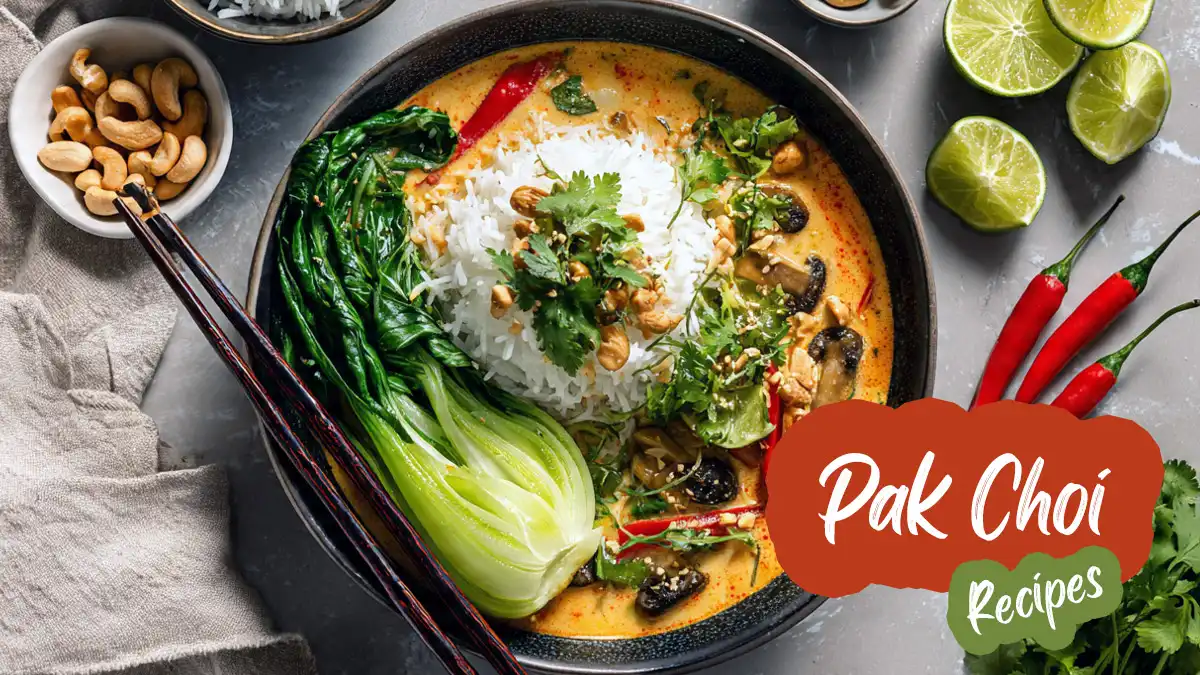
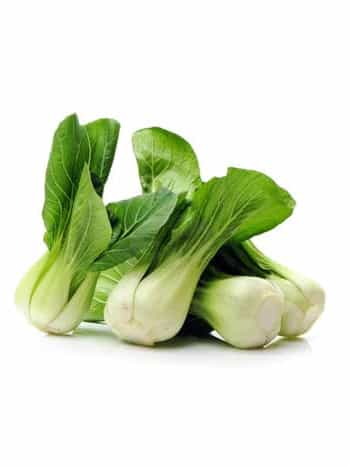
Pak choi is a crisp, tender leafy vegetable with a mild, slightly sweet flavor that works beautifully in quick and simple meals. Also known as bok choy, this Asian vegetable has juicy white stems and dark green leaves that cook quickly, making it a great choice for stir-fries, soups, noodles, rice dishes, side dishes, and more.
🥢 Did you know? Pak choi comes in several varieties and sizes, from small baby bok choy to larger mature heads. The stems stay crisp while the leaves become tender, so you can cook both together or add them at different stages depending on the dish.
In this collection, you’ll find pak choi recipes covering different ways to prepare this versatile vegetable pak choi, from quick garlic stir-fries and steamed dishes to soups, noodles, rice, curries, and simple sides. Whether you call it pak choi or pakchoi, there are plenty of delicious ways to enjoy it.
If you’re looking for the best way to make bok choy, these recipes give you plenty of options depending on whether you want something quick, crispy, tender, simple, or full of flavor.
What Is Pak Choi?
- Common names: Pak choi, pakchoi, bok choy
- Type: Leafy green vegetable
- Flavor: Mild, fresh, slightly sweet, and lightly peppery
- Texture: Crisp and juicy stems with tender green leaves
- Appearance: White or pale-green stalks with broad green leaves
- How it’s used: Stir-fried, steamed, braised, roasted, grilled, or added to soups and noodles
- Popular dishes: Stir-fries, noodle dishes, fried rice, soups, dumplings, curries, and vegetable sides
- Best parts to eat: Both the stems and leaves are edible
PLEASE NOTE
In Case the Recipe Page Doesn’t Load or You Don’t Find the Recipe on the Given Link: Simply close the tab and report it as “Recipe Not Found.” We’ll check the link and investigate.
🧾 Ways to Cook Pak Choi (Bok Choi)
Quick, high-heat dishes that are the most popular way to cook pak choi.
Stir-Fries, Sautés & Skillet Dishes
- Quick and Flavorful Stir-Fried Bok Choy – Click to Get Recipe
- Spicy Pak Choi with Sesame Sauce – Click to Get Recipe
- Stir-Fried Sesame Baby Bok Choy – Click to Get Recipe
- Mushroom and Pak Choi Stir Fry – Click to Get Recipe
- Pak Choi with King Oyster Mushrooms and Tomatoes – Click to Get Recipe
- Garlic Ginger Braised Bok Choy – Click to Get Recipe
- Pak Choi Stir-Fry with Seitan – Click to Get Recipe
- Spicy Pak Choi with Sesame Sauce (Alternate Version) – Click to Get Recipe
- Pak Choi with Chili, Garlic, and Ginger Butter – Click to Get Recipe
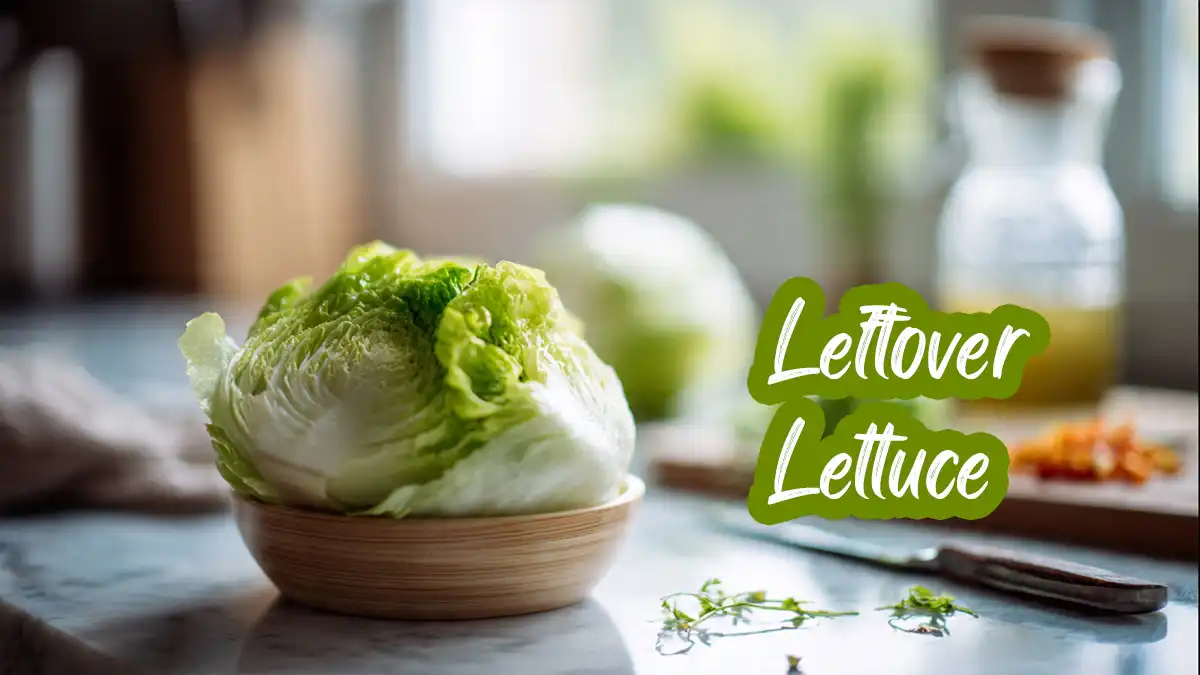
- Stir-Fried Lettuce (Pak Choi Version) – Click to Get Recipe
- Pak Choi and Veggie Stir-Fry – Click to Get Recipe
Alternatives to Pak Choi
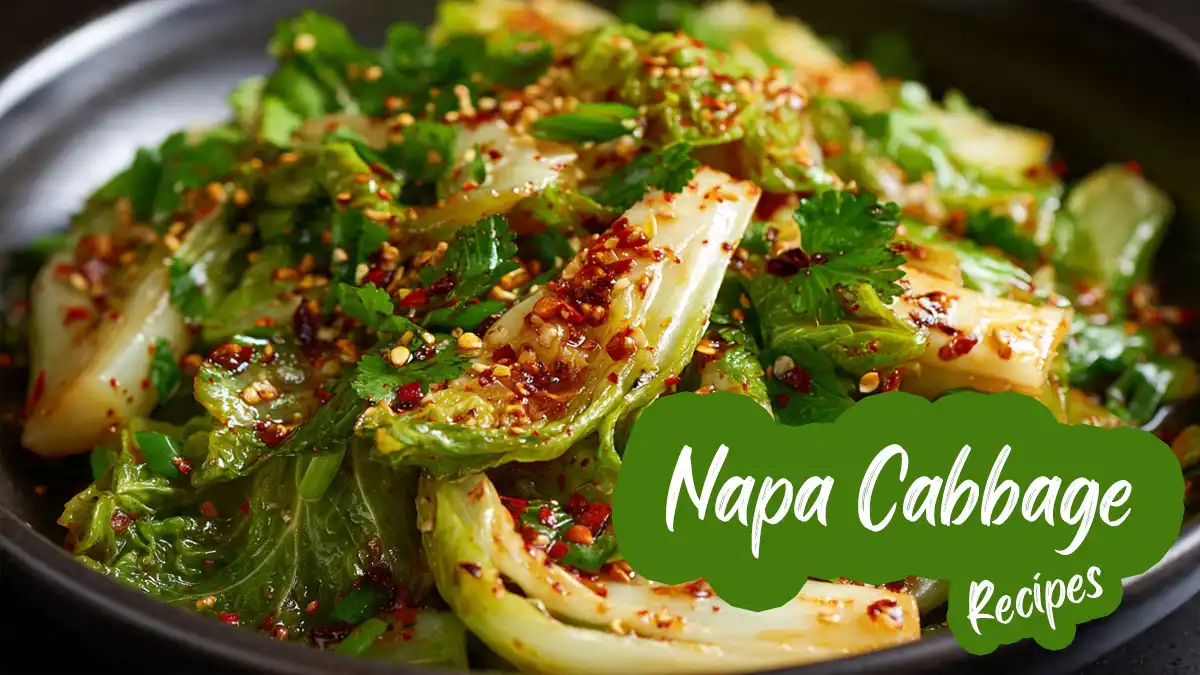
80+ Napa Cabbage Recipes for Stir-Fries, Soups, Salads & More
Comforting bowls where noodles and pak choi are the stars.
Noodle Dishes & Ramen
- Vegan Noodle Bowl with Pak Choy – Click to Get Recipe
- Chilli Garlic Noodles (Vegan) – Click to Get Recipe
- Pak Choi Noodles with Soy Sauce – Click to Get Recipe
- Spicy Peanut Noodles with Pak Choi – Click to Get Recipe
- Vegan Drunken Noodles (Pad Kee Mao) – Click to Get Recipe
- Ginger Garlic Noodle Soup with Bok Choy – Click to Get Recipe
- Low-FODMAP Miso Ramen with Pak Choi – Click to Get Recipe
- Vegan Ramen with Pak Choi and Fried Tofu – Click to Get Recipe
- Curried Mushroom Noodles with Pak Choi – Click to Get Recipe
Try This Alternative
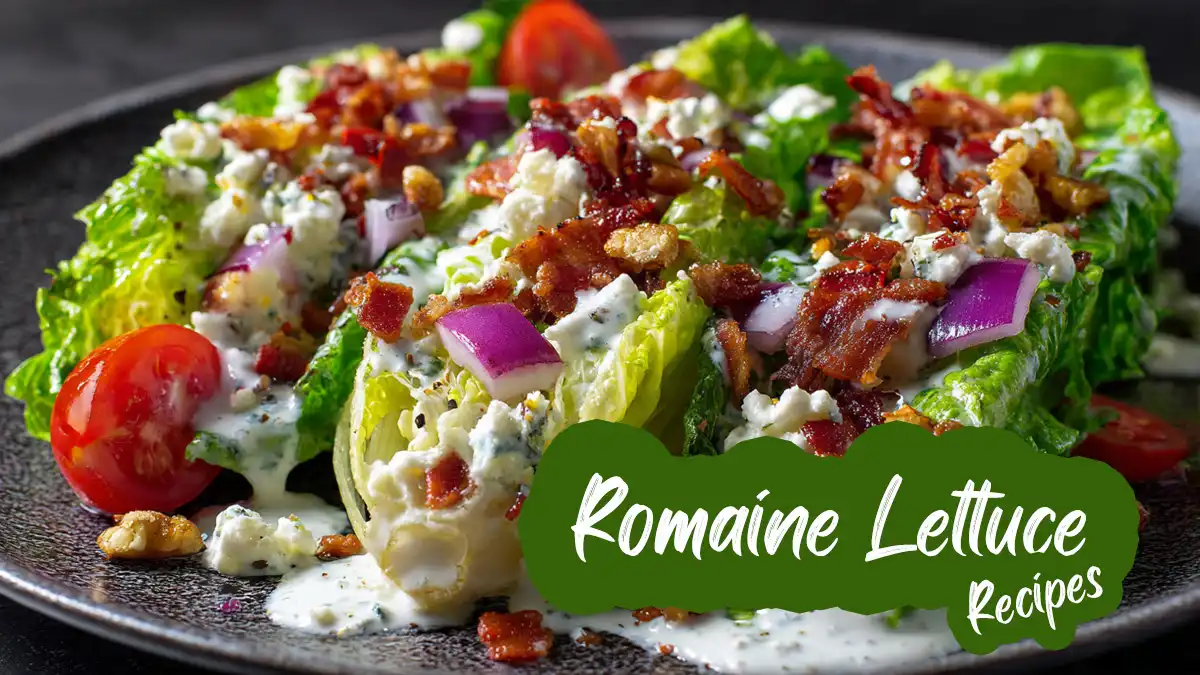
80+ Romaine Lettuce Recipes for Salads, Wraps, Rice & Grain Bowls & Burgers
Light, healthy, and often quick to prepare.
Soups & Broths
- Pak Choi Noodle Soup – Click to Get Recipe
- Vegetable Broth Bok Choy Miso Soup – Click to Get Recipe
- Bok Choy Miso Soup – Click to Get Recipe
- Radiant Bok Choy Soup (Vegan Turmeric) – Click to Get Recipe
- Creamy Vegan Bok Choy Soup – Click to Get Recipe
- Ginger Garlic Noodle Soup with Bok Choy – Click to Get Recipe
- Thai Red Tofu Soup with Brown Rice & Pak Choi – Click to Get Recipe
- Shiitake Mushroom Noodle Soup with Miso and Pak Choi – Click to Get Recipe
- Detox Pear Bok Choy Soup – Click to Get Recipe
Refreshing preparations that showcase the crisp texture of raw or lightly cooked pak choi.
Salads & Cold Dishes
- Crunchy Bok Choy Salad with Sesame Ginger Dressing – Click to Get Recipe
- Bok Choy Salad with Apple and Persimmon – Click to Get Recipe
- Apple Bok Choy Salad – Click to Get Recipe
- Cold Sesame Pak Choi – Click to Get Recipe
- Pak Choi Salad with Ponzu Dressing – Click to Get Recipe
- Miso-Sesame Grilled Bok Choy Salad – Click to Get Recipe
- Easy Bok Choy Salad (Vegan, Gluten-Free) – Click to Get Recipe
Hearty, one-dish meals where pak choi is a key component.
Rice & Grain Bowls
- Garlicky Pak Choi Rice (Shanghai-Style) – Click to Get Recipe
- Green Curry Rice Bowl with Pak Choy & Tofu – Click to Get Recipe
- Spicy Sesame Tofu Bowl with Jasmine Rice & Pak Choi – Click to Get Recipe
- Marinated Ginger Tofu with Pak Choi – Click to Get Recipe
Pak choi makes a delicious filling for all kinds of wrappers.
Dumplings, Spring Rolls & Wraps
- Vegan Tofu-Pak Choi Dim Sum – Click to Get Recipe
- Pan-Fried Vegetarian Dumplings (Pak Choi) – Click to Get Recipe
- Chinese Cabbage, Carrots, and Bok Choy – Vegan Crispy Spring Rolls – Click to Get Recipe
- Tofu and Bok Choi Dumpling Filling – Click to Get Recipe
Rich, saucy dishes where pak choi adds texture and nutrients.
Curries & Hearty Stews
- Bok Choy Curry (Indian Style) – Click to Get Recipe
- Vegan Thai Red Curry with Bok Choy – Click to Get Recipe
- Easy Bok Choy Curry – Click to Get Recipe
- Speedy Thai Green Curry with Pak Choy and Jasmine Rice – Click to Get Recipe
Unique methods that bring out different textures and flavors of pak choi.
Special Techniques: Steamed, Grilled & Fermented
- Steamed Pak Choi (Perfect Asian Side Dish) – Click to Get Recipe
- Grilled Pak Choi with Asian Marinade – Click to Get Recipe
- Pak Choi Kimchi (Korean Side Dish) – Click to Get Recipe
15 Pak Choi (Bok Choi) Cooking Tips & Ideas

Washing, Cleaning & Prep Hacks
- Tip #1 – The Submersion Swish for Dirt Removal: Slice off ¼ inch of the root base and submerge stems and leaves in a large bowl of plain cold water. Swish vigorously and let sit for 10 minutes so grit sinks to the bottom. Lift greens out by hand.
- Tip #2 – Separate Stems from Leaves: Thick stems take 4–5 minutes to cook, while leaves take only 60–90 seconds. Add 1-inch sliced stems to the wok first, then fold in 2-inch leaf ribbons during the final minute.
- Tip #3 – Revive Limp Bok Choy in 20 Minutes: Trim ¼ inch off the root base and stand the head upright in a glass of cold water in the fridge for 20–30 minutes to rehydrate cell walls back to crisp freshness.
- Tip #4 – Shave the White Core into Slaw: Peel the tough outer layer of the root core and thinly shave the inner core into matchsticks for slaws or spring rolls—it offers a mild, peppery crunch similar to jicama.
High-Heat Cooking: Stir-Frying, Roasting & Grilling
- Tip #5 – Roast Halves at 425°F for Caramelized Edges: Cut pak choi in half lengthwise keeping the core intact. Brush cut sides with oil and roast cut-side down for 12–15 minutes until charred and tender-crisp.
- Hack #6 – Direct-Grate Grilling: Brush halved pak choi with oil and grill over medium-high heat for 3–4 minutes per side. Grill stems-down first to get a structural sear before flipping to the leaves.
- Tip #7 – Low-Fat Water-Steam Finish: Cook sliced stems in a skillet with ¼ cup broth covered for 3 minutes. Layer leaves on top, cover for 1 minute to steam, and toss with a dab of butter or soy sauce off the heat.
- Tip #8 – Salt & Drain Before Stir-Frying: Toss sliced pak choi with a pinch of salt for 10 minutes and press out released liquid before cooking to prevent watering down your hot wok.
Meal Prep, Freezing, Pickling & Fermentation
- Tip #9 – 90-Second Par-Cook Blanch: Blanch whole or halved pak choi in boiling salted water for 90 seconds, plunge into an ice bath, and pat dry. Refrigerate in an airtight container for up to 5 days.
- Tip #10 – Quick-Pickle Crunchy Stems: Slice stems into ½-inch chunks and submerge in a hot brine of rice vinegar, water, sugar, salt, garlic, and ginger. Refrigerate for 24 hours to use on rice bowls or sandwiches.
- Tip #11 – Ferment into Kimchi-Style Bok Choi: Salt chopped pak choi for 2 hours, rinse, drain, and mix with gochugaru, garlic, ginger, and fish sauce. Pack into jars to ferment for 2–3 days at room temperature.
- Tip #12 – Freeze Stems Raw, Blanch Whole Heads: Blanch whole heads for 2 minutes before freezing flat for soups. Raw stems can be chopped and frozen flat on a tray to toss directly into hot stir-fries.
Creative Wraps, Stocks & One-Pot Braising
- Tip #13 – Use Blanched Leaves as Wrappers: Briefly steam or blanch cupped outer leaves for 10 seconds to use as pliable, gluten-free wrappers for dumpling fillings or grilled meats.
- Tip #14 – Save Scraps for Glutamate-Rich Stock: Collect pak choi trimmings, stems, and outer leaves in a freezer bag. Simmer with onion peels and garlic skins for 45 minutes to create an umami-rich vegetable stock.
- Tip #15 – The Two-Zone Skillet Braise: Stand halved pak choi core-side down in ½ cup broth with butter and garlic, cover, and simmer for 6 minutes. The stems braise in liquid while leaves steam above.
❓ Pak Choi FAQs
Is pak choi the same as bok choy?
Yes. Pak choi and bok choy are different names for the same leafy vegetable. The spelling varies by country and region.
Can you freeze pak choi?
Yes, you can freeze pak choi. For better texture and color, blanch it briefly, cool it quickly, drain well, and freeze in an airtight container or freezer bag.
Where can you find pak choi?
Pak choi is commonly available in supermarkets, Asian grocery stores, farmers’ markets, and produce sections, especially in larger cities.
How do you store pak choi?
Keep fresh pak choi refrigerated in a loosely wrapped or perforated bag. Avoid washing it until you’re ready to use it, as excess moisture can shorten its shelf life.