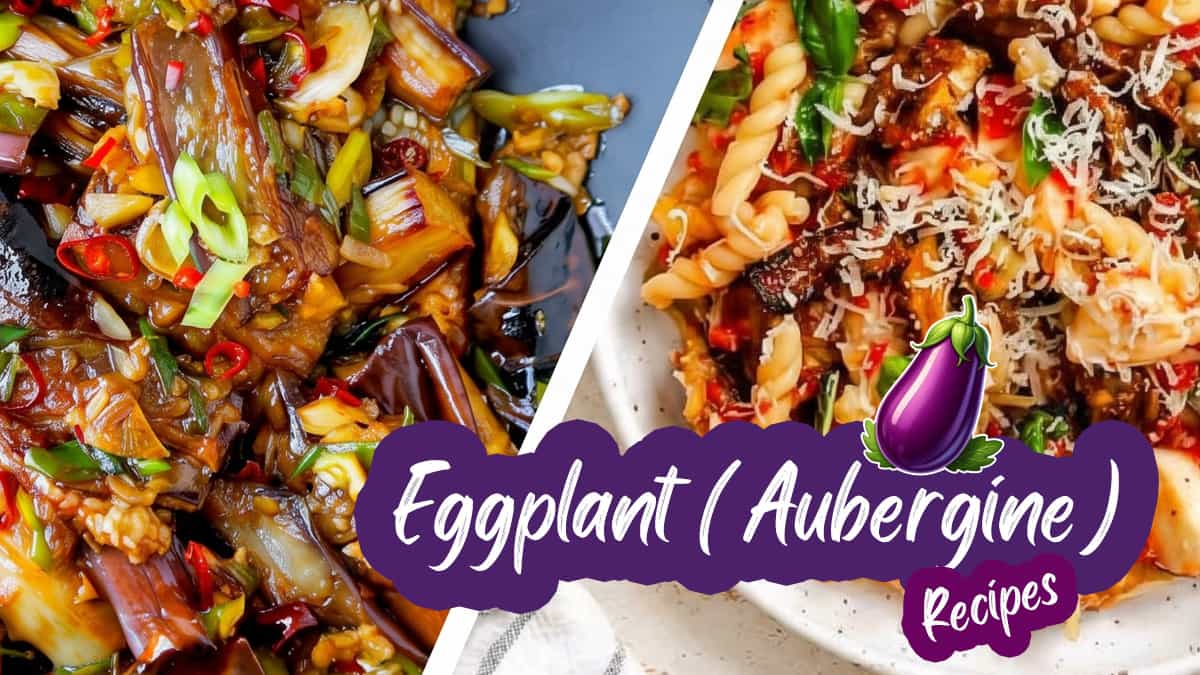
Eggplant (Egg Plant) is one of those vegetables that can take on completely different personalities depending on how you cook it. It can be roasted until tender, grilled until smoky, fried until golden, baked with tomato and cheese, or simmered into rich curries and stews. From simple side dishes to classic eggplant recipes like eggplant Parmesan and Italian eggplant Parmigiana, there are plenty of ways to enjoy this versatile ingredient.
🍆 Did you know? Eggplant is technically a fruit, not a vegetable, because it develops from a flower and contains seeds. It is called aubergine in the UK, eggplant in the U.S., Canada, and Australia, and brinjal in India and several other countries. The word brinjal came into English through Portuguese “beringela,” which traces back to the Sanskrit-derived Indian name “vṛntākī.”
In this collection, you’ll find eggplant recipes organized by how you want to use them—from roasted and grilled dishes to curries, stir-fries, pasta, casseroles, appetizers, and more. If you’re wondering how to cook eggplant, these recipes offer plenty of delicious ways to explore its soft texture and rich, savory flavor.
What Is Eggplant?
- Common names: Eggplant, aubergine, brinjal
- Type: Fruit commonly used as a culinary vegetable
- Flavor: Mild, earthy, slightly bitter, and rich/savory
- Texture: Firm and spongy when raw; soft, creamy, and tender when cooked
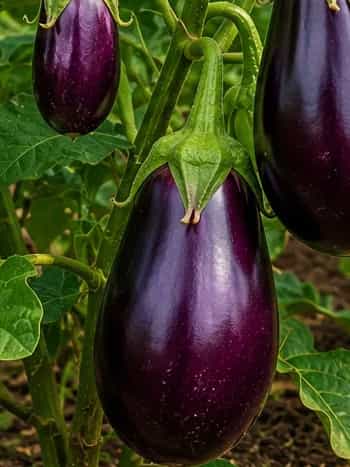
- Appearance: Smooth, glossy skin with colors ranging from deep purple to white, green, or striped
- How it’s used: Roasted, grilled, baked, fried, sautéed, steamed, stuffed, or simmered
- Popular dishes: Eggplant Parmesan, eggplant Parmigiana, curries, pasta, stir-fries, dips, casseroles, and grilled dishes
- Common pairings: Tomatoes, garlic, onions, olive oil, herbs, cheese, spices, peppers, and tahini
PLEASE NOTE
In Case the Recipe Page Doesn’t Load or You Don’t Find the Recipe on the Given Link: Simply close the tab and report it as “Recipe Not Found.” We’ll check the link and investigate.
🧾 Ways to Cook Eggplant (Aubergine, Brinjal)
Explore delicious ways to prepare eggplant, from hearty curries and comforting casseroles to grilled, fried, roasted, and fresh dishes.
Curries & Spiced Dishes
- Indian-Style Eggplant Curry with Garam Masala, Coconut Milk & Diced Tomatoes – Click to Get Recipe
- Easy Roasted Eggplant Curry with Coconut Milk & Basmati Rice – Click to Get Recipe
- Creamy One-Pot Eggplant Curry with Caramelized Edges & Naan – Click to Get Recipe
- Slow Cooker Eggplant & Zucchini Curry with Coconut Milk & Indian Spices – Click to Get Recipe
- Brinjal Curry (South Indian Eggplant Curry) with Sambar Powder & Garam Masala – Click to Get Recipe
- Easy Vegan Eggplant Curry with Roasted Eggplant & Coconut Curry Sauce – Click to Get Recipe
- South Indian Eggplant Curry with Mustard Seeds & Curry Leaves – Click to Get Recipe
- Baingan Bharta-Inspired Eggplant Curry with Roasted Tomatoes & Curry Paste – Click to Get Recipe
- Vegan Thai Eggplant Curry with Tofu & One-Pot Coconut Broth – Click to Get Recipe
- South Indian Eggplant (Aubergine) Curry with Onion, Tomato & Whole Spices – Click to Get Recipe
Roasted & Grilled
- Whole Roast Aubergine with Tahini Yogurt Sauce & Greek Salad (UK) – Click to Get Recipe
- Whole Roasted Aubergine with Spiced Chickpeas & Lemony Tahini Sauce (UK) – Click to Get Recipe
- Roasted Eggplant with Garlic Tahini Sauce & Fresh Mint – Click to Get Recipe
- Charred Roasted Aubergine with No-Cook Harissa Tomato Sauce & Tahini – Click to Get Recipe
- Smoky Aubergine Dip with Tahini, Garlic & Lemon (UK) – Click to Get Recipe
- Roasted Aubergine with Chilli Oil & Tahini Sour Cream Dressing – Click to Get Recipe
- Grilled Eggplant with Balsamic-Garlic Marinade, 20-Minute Recipe – Click to Get Recipe
- BBQ Grilled Eggplant with Aleppo Pepper, Mint & Fresh Lemon – Click to Get Recipe
- Grilled Eggplant with Herbed Couscous, Apricots & Toasted Almonds – Click to Get Recipe
- Garlic & Herb Grilled Eggplant with Olive Oil Marinade – Click to Get Recipe
Fried & Pan-Fried
- Crispy Pan-Fried Eggplant with Cornstarch Coating, No Egg or Breadcrumbs – Click to Get Recipe
- Russian-Style Fried Eggplant with Sour Cream & Dill – Click to Get Recipe
- Pan Fried Eggplant – Baingan Bhaja with Turmeric & Chili Powder – Click to Get Recipe
- Crispy Fried Eggplant Chips with Beer Batter, No Breadcrumbs – Click to Get Recipe
- Italian-Style Crispy Fried Eggplant with Panko & Cornstarch Coating – Click to Get Recipe
- Almost No-Oil Pan-Fried Eggplant with Steam-Sear Method – Click to Get Recipe
- Crispy Fried Eggplant Fans with Seasoned Breadcrumb Coating – Click to Get Recipe
- Crispy Fried Eggplant with Semolina-Flour Coating, Greek Style – Click to Get Recipe
- Crispy Fried Eggplant (Aubergine) with Parmesan Breadcrumb Crust – Click to Get Recipe
Baked & Casseroles
- Classic Eggplant Parmigiana with Fried Eggplant, Mozzarella & Basil (Italian) – Click to Get Recipe
- Eggplant Parmigiana with Baked Eggplant Slices, Parmesan & Fresh Basil – Click to Get Recipe
- Eggplant Parmigiana (Aubergine) with Mozzarella, Parmesan & Homemade Sauce (UK) – Click to Get Recipe
- Eggplant Parmesan with Panko-Parmesan Crust & Homemade Marinara – Click to Get Recipe
- Eggplant Parmesan with Mozzarella, Provolone & Torn Basil (Food Network) – Click to Get Recipe
- Eggplant Rollatini with Ricotta, Diced Tomatoes & Mozzarella – Click to Get Recipe
- Eggplant Rollatini (Roll-Ups) with Spinach, Ricotta & Fresh Tomato Sauce – Click to Get Recipe
- Eggplant Rollatini with Ricotta, Parmesan & Fresh Basil (No Breading) – Click to Get Recipe
- Eggplant Rollatini with Ricotta-Spinach Filling, Goat Cheese & Lemon – Click to Get Recipe
- Eggplant Rollatini with Ricotta, Marinara & Fresh Mediterranean Herbs – Click to Get Recipe
- Eggplant Rollatini with Ricotta, Pecorino Romano & Marinara (Fried Version) – Click to Get Recipe
Stir-Fry
- Authentic Chinese Eggplant with Garlic Sauce, Cornstarch-Coated & Brined – Click to Get Recipe
- Chinese Eggplant with Garlic Sauce, Scallions & Optional Ground Pork – Click to Get Recipe
- Vegan Chinese Eggplant with Garlic Sauce, Grilled & Glazed – Click to Get Recipe
- Chinese Eggplant Stir-Fry with Ginger, Garlic & Umami Sauce (Vegan) – Click to Get Recipe
- Chinese Eggplant with Sweet-Tangy Garlic Sauce & Dried Red Chilis – Click to Get Recipe
- Chinese Eggplant Stir-Fry with Bell Peppers, Onion & Coconut Aminos – Click to Get Recipe
- Spicy Chinese Garlic Eggplant with Chilies & Oyster Sauce Glaze – Click to Get Recipe
- Restaurant-Style Chinese Eggplant with Garlic Sauce & Steamed Method – Click to Get Recipe
- Yu Xiang-Style Chinese Eggplant with Garlic Sauce & Shaoxing Wine (Food Network) – Click to Get Recipe
Pasta & Italian
- Eggplant Tomato Pasta with Shallots, Basil & Homemade Veggie Marinara – Click to Get Recipe
- Pasta alla Norma-Style Eggplant Pasta with Basil & Parmesan – Click to Get Recipe
- Eggplant Pasta with Fresh Mozzarella, Tomatoes & Basil – Click to Get Recipe
- Roasted Eggplant Pasta with Marinara & Parmesan (6 Ingredients) – Click to Get Recipe
- Classic Pasta alla Norma with Fried Eggplant, Ricotta Salata & White Wine Tomato Sauce – Click to Get Recipe
- Eggplant & Tomato Pasta Sauce with Rosemary, Onion & Garlic – Click to Get Recipe
- Eggplant Pasta with Tomato, Mozzarella & Fresh Basil (Rigatoni) – Click to Get Recipe
Soups & Stews
- Creamy Smoky Eggplant Soup with Sumac, Cumin & Coriander – Click to Get Recipe
- Eggplant Stew with Chickpeas, Diced Tomato & Smoked Paprika (Vegan) – Click to Get Recipe
- Roasted Eggplant & Tomato Soup with White Beans, Kale & Orecchiette – Click to Get Recipe
- Vegan Roasted Eggplant Soup with Tomato, Oregano & Thyme – Click to Get Recipe
- Roasted Eggplant Stew with Chickpeas, Zucchini & Smoked Paprika – Click to Get Recipe
Dips & Spreads
- Authentic Family Baba Ganoush with Charred Eggplant, Tahini & Pine Nuts – Click to Get Recipe
- Baba Ganoush with Roasted Eggplant, Tahini & Fresh Parsley – Click to Get Recipe
- Baba Ganoush with Roasted Eggplant, Tahini, Garlic & Smoked Paprika – Click to Get Recipe
- Roasted Eggplant Dip with Tahini, Yogurt & Cayenne – Click to Get Recipe
- Family Baba Ganoush with Tahini, Lemon & Roasted Eggplant – Click to Get Recipe
- Grilled Baba Ganoush with Tahini & Charcoal-Smoked Eggplant – Click to Get Recipe
- Baba Ghanoush with Tahini, Cumin & Smoked Paprika (Cookie + Kate Adaptation) – Click to Get Recipe
- Baba Ghanoush with Sea Salt, Tahini & Fresh Lemon Juice – Click to Get Recipe
Stuffed Eggplant
- Italian Stuffed Eggplant with Mozzarella, Tomato & Fennel Seeds – Click to Get Recipe
- Stuffed Eggplant with Vegetables, Parmesan & Breadcrumb Topping – Click to Get Recipe
- Vegan Mediterranean Stuffed Eggplant with Couscous, Chickpeas & Herbs – Click to Get Recipe
- Low-Carb Stuffed Eggplant with Customizable Fillings & Cheese – Click to Get Recipe
- Stuffed Eggplant with Garlic Tahini Sauce, Basmati Rice & Warm Spices – Click to Get Recipe
- Cheesy Baked Stuffed Eggplant Boats with Onion & Golden Cheese – Click to Get Recipe
- Nonna’s Calabrian Stuffed Eggplant with Mixed Meats, Herbs & Tomato Sauce – Click to Get Recipe
Salads
- Roasted Eggplant Salad with Smoked Almonds & Goat Cheese – Click to Get Recipe
- Mediterranean Eggplant & Chickpea Salad with Feta & Parsley – Click to Get Recipe
- Moroccan-Inspired Roasted Eggplant Salad with Sweet-Spicy Tomato Sauce – Click to Get Recipe
- Mediterranean Roasted Eggplant Salad with Red Pepper, Feta & Pine Nuts – Click to Get Recipe
- Mediterranean Roasted Eggplant Salad with Cumin, Lemon & Jalapeño – Click to Get Recipe
- Roasted Eggplant Salad with Pomegranate, Pine Nuts & Tahini Sauce – Click to Get Recipe
- Roasted Eggplant & Zucchini Salad with Fresh Herbs & Olive Oil – Click to Get Recipe
- Roasted Eggplant Salad with Za’atar Lemon-Garlic Dressing & Pomegranate Syrup – Click to Get Recipe
- Roasted Eggplant & Tomato Salad with Fresh Basil (Lidia Bastianich) – Click to Get Recipe
Rice & Grain Dishes
- Melitzanopilafo – Greek Eggplant Pilaf with Tomato & Fresh Herbs – Click to Get Recipe
- Gutti Vankaya Pulao – Andhra Baby Eggplant Rice with Whole Spices – Click to Get Recipe
- Easy Eggplant Biryani with Peas, Biryani Masala & Basmati Rice – Click to Get Recipe
- Vegetarian Biryani Rice with Eggplant, Béchamel & Golden Spices – Click to Get Recipe
- 30-Minute Brown Rice & Roasted Eggplant Bowl with Turmeric Tahini Sauce – Click to Get Recipe
- Eggplant Rice Bowl with Air-Fried Tofu & Smoky Almond Butter Sauce – Click to Get Recipe
- Turkish Aubergine Rice (Patlıcanlı İç Pilav) with Currants & Fresh Herbs – Click to Get Recipe
- Instant Pot Eggplant Biryani (Baingan Biryani) with Mint & Yogurt – Click to Get Recipe
Side Dishes
- Gaji-namul – Korean Steamed Eggplant Side Dish with Sesame Seeds – Click to Get Recipe
- Spicy Indian Eggplant Side Dish with Garlic, Coconut & Cumin – Click to Get Recipe
- 15-Minute Sautéed Eggplant with Garlic & Fresh Herbs – Click to Get Recipe
- Sautéed Eggplant Salad with Red Peppers, Garlic & Parsley – Click to Get Recipe
- 10-Minute Sautéed Eggplant with Balsamic Vinegar Glaze – Click to Get Recipe
- 6-Ingredient Oven-Roasted Eggplant with Spice Mix (Vegan) – Click to Get Recipe
- Caramelized Sautéed Eggplant with Garlic & Fresh Herbs – Click to Get Recipe
- Roasted Eggplant with Marinated Feta, Garlic & Fresh Oregano – Click to Get Recipe
Appetizers & Snacks
- Eggplant Caponata Crostini with Pine Nuts, Cocoa & Balsamic Vinegar – Click to Get Recipe
- Eggplant Caponata & Ricotta Crostini, Quick Gourmet Appetizer – Click to Get Recipe
- Sweet & Sour Eggplant Caponata with Raisins, Celery & Fresh Basil – Click to Get Recipe
- Old-School Sicilian Eggplant Caponata with Capers & Agrodolce Flavor – Click to Get Recipe
- Easy Sicilian-Style Caponata with Olives, Capers & Bell Pepper – Click to Get Recipe
- Sicilian Eggplant Caponata Appetizer with Olives, Celery & Agrodolce Sauce – Click to Get Recipe
- Sweet-Sour Eggplant Caponata with Capers & Golden Raisins – Click to Get Recipe
- Eggplant Caponata with Golden Raisins, Capers & Fresh Basil – Click to Get Recipe
- Sicilian Eggplant Caponata with Pignoli, Olives & Raisins – Click to Get Recipe
- Classic Sicilian Eggplant Caponata with a Secret Touch of Chocolate – Click to Get Recipe
Sandwiches & Wraps
- Mediterranean Eggplant Wraps with Roasted Peppers, Goat Cheese & Basil – Click to Get Recipe
- Grilled Eggplant Wraps with Spicy Tahini Slaw & Cabbage – Click to Get Recipe
- Baked Eggplant Sandwiches with Marinara & Melted Mozzarella – Click to Get Recipe
- Eggplant & Roasted Red Pepper Wrap with Pesto & Fresh Mozzarella – Click to Get Recipe
- Summer Eggplant Sandwich with Lemony Avocado & Fresh Basil – Click to Get Recipe
- Middle Eastern Eggplant Wrap with Tahini Sauce, Kale Slaw & Feta – Click to Get Recipe
- Grilled Eggplant Wraps with Spinach, Tomato & Cream Cheese – Click to Get Recipe
Pickles & Preserves
- Canned Eggplant Pickles with Balsamic Vinegar, Garlic & Oregano (Ball®) – Click to Get Recipe
- Italian-Style Preserved Eggplant in Marinade with Roasted Peppers – Click to Get Recipe
- Melanzane Sott’Olio – Italian Pickled Eggplant with Vinegar, Garlic & Herbs – Click to Get Recipe
- Authentic Italian Pickled Eggplant in Olive Oil (Melanzane Sott’Olio) – Click to Get Recipe
- Melanzane Sott’Olio with Garlic, Oregano & Peperoncini – Click to Get Recipe
- 5-Ingredient Pickled Eggplant, Canning-Friendly Family Recipe – Click to Get Recipe
- Italian Pickled Eggplant with Garlic & Vinegar, No-Cook Method – Click to Get Recipe
- Urban Preserving: Pickled Fairy Tale Eggplant with Vinegar Brine – Click to Get Recipe
15 Eggplant Cooking Tips & Oil-Control Hacks

Understanding Eggplant & Variety Selection
- Tip #1 – The Sponge Science & Oil Reduction Hacks: Eggplant’s spongy flesh collapses in hot oil, creating a vacuum that absorbs fat. Stop this using 3 proven methods: Salt & Sweat (1 tsp salt/lb for 30–60 mins to collapse air pockets via osmosis); Microwave Shortcut (prick whole head and microwave 4–5 mins to pre-steam structures); or Quick Saltwater Soak (submerge cut pieces in cold salted water for 15–20 mins so water replaces air).
- Tip #2 – Choose the Right Variety for Your Dish: Large Globe eggplants have thicker skins and spongy flesh—ideal for baking/stuffing, but require salting. Japanese and Chinese varieties have tighter, denser flesh with fewer seeds that naturally absorb far less oil—perfect for quick stir-fries without pre-treatment.
- Tip #3 – Cut Size Dictates Oil Uptake: Smaller cuts mean more surface area and higher oil absorption. Cut eggplant into 1-inch thick rounds or large wedges rather than small dice to maintain a lower surface-area-to-volume ratio.
High-Heat Frying & Pan Technique
- Tip #4 – Avoid Cold Oil – Use Intense High Heat: Never add eggplant to cold or lukewarm oil. Heat your pan until oil shimmers (350–375°F) so a rapid sear sets the outer crust before the interior collapses and absorbs fat.
- Tip #5 – Coat with Starch to Block Oil Absorption: Toss dry, salted eggplant pieces in 1 tbsp of cornstarch or potato starch per pound. The starch instantly gelatinizes in hot oil, forming a barrier that cuts oil absorption by nearly 60% while creating a crisp crust.
- Tip #6 – Use Heavy Cast Iron or Carbon Steel Pans: Heavy cookware retains thermal mass so the pan stays hot when eggplant is added, preventing temperature drops that cause eggplant to stew in oil.
- Tip #7 – Don’t Overcrowd the Pan: Leave at least ½ inch of space between pieces and fry in batches. Overcrowding drops pan temperature and releases steam, causing pieces to boil in oil rather than sear cleanly.
Prep Techniques for Roasting & Searing
- Tip #8 – Brush, Don’t Dunk – For Roasting: Apply oil using a pastry brush (1–2 tsp per half) rather than pouring or dunking. Drizzling pools oil into the porous flesh, which wicks it straight to the core before oven heat can seal it.
- Tip #9 – The Press-and-Pat Double Act: After salting or soaking, wrap eggplant in a clean kitchen towel and weight it down with a heavy skillet for 10 minutes to squeeze out moisture and compress the sponge, then pat bone-dry with paper towels.
- Tip #10 – Score Flesh in a Crosshatch Pattern: Score whole roasted or grilled eggplant halves ½-inch deep in a diamond pattern. This allows steam to escape so the interior doesn’t get mushy, while keeping brushed oil on top.
Low-Oil Cooking Methods & Breading Hacks
- Tip #11 – Water Sauté (Blanch) Before Stir-Frying: Blanch chopped eggplant in boiling salted water for 2 minutes and pat dry before wok-cooking. This collapses air pockets so the eggplant absorbs your sauce rather than excess frying oil.
- Tip #12 – Air Fryer Low-Oil Method: Toss salted, dried cubes with 1 tsp oil per pound and air-fry at 375°F for 12–15 minutes (shaking halfway) for a creamy interior and crispy exterior with over 80% less fat.
- Tip #13 – Dredge in Egg Wash + Panko Breadcrumbs: Dip slices in egg wash to fill surface pores with protein before coating in panko. Skip flour-only dredges, which dissolve in surface moisture and attract more oil.
Flipping Rules & Flavor Maximization
- Tip #14 – Flip Only Once During Frying: Let the first side cook for 3–4 minutes until deeply golden before turning once. Constant flipping repeatedly exposes raw sponge cells to fresh oil, leading to soggy pieces.
- Tip #15 – Infuse Frying Oil & Drain on Wire Racks: Infuse frying oil with garlic, rosemary, or chili flakes before cooking so absorbed oil adds flavor. Always drain cooked eggplant on an elevated wire rack rather than paper towels, which trap steam and cause sogginess.